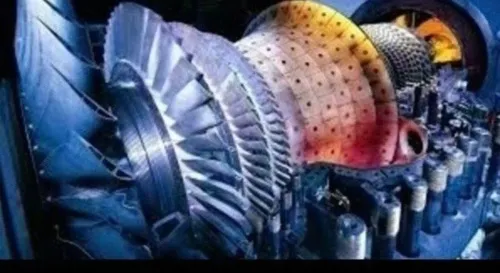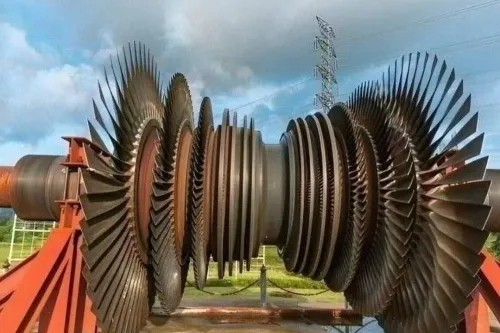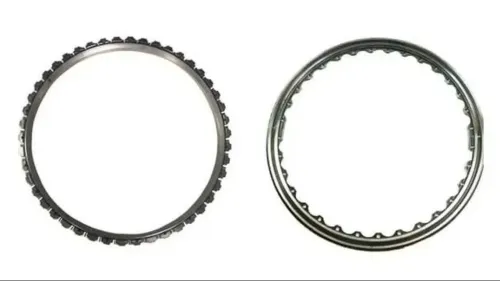

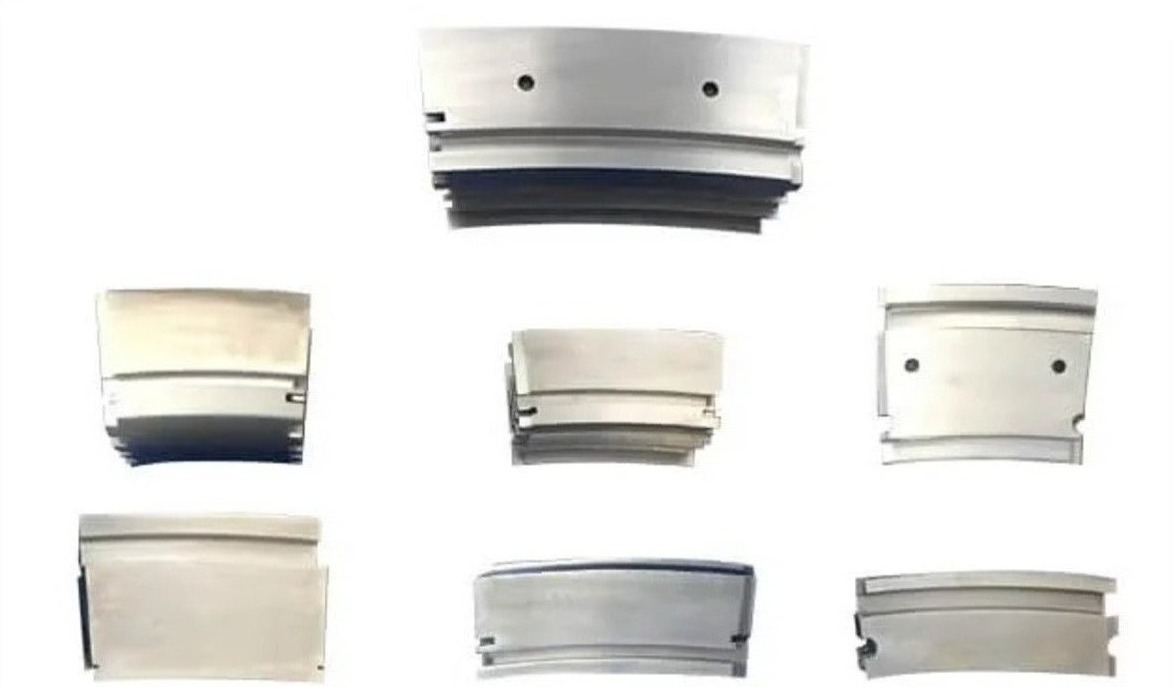
Selecting gas turbine shroud and diaphragm manufacturers should begin with technical capability rather than a generic supplier search. These stationary components influence turbine clearances, flow paths and stage geometry, making accurate manufacturing essential.
For procurement teams in Germany, a practical qualification process can help identify whether a manufacturer is ready to support the project.
Check Relevant Component Experience
Ask whether the manufacturer has produced shrouds, diaphragms or similar hot-section and stationary turbine components.
Previous experience can indicate familiarity with complex geometry, challenging materials and inspection requirements.
Review Manufacturing Resources
Depending on component design, production may require multi-axis machining, turning, EDM or other precision processes.
The supplier should be able to explain how the proposed manufacturing route relates to the drawing rather than simply presenting a machine list.
Verify Material Capability
Materials must be evaluated against the specific turbine application and engineering specification.
BVPL Turbine Parts lists experience with stainless steels, Inconel, Nimonic, titanium alloys and other heat-resistant materials. It also manufactures industrial gas turbine shrouds and diaphragms.
Ask About Inspection
A credible manufacturing plan should be accompanied by a credible inspection plan.
German buyers can ask:
- Which dimensions are treated as critical?
- What measuring equipment will be used?
- Can inspection records be supplied?
- How are deviations handled?
- What documentation is maintained?
- Consider Reverse-Engineering Capability
Replacement projects do not always begin with complete manufacturing drawings. When legally and technically appropriate, reverse engineering can help reconstruct component geometry from samples and available technical information.
BVPL Turbine Parts provides reverse-engineering and CAD modelling services alongside precision component manufacturing.
For projects in Munich and throughout Germany, supplier readiness is ultimately demonstrated by the ability to understand the requirement before quoting it. Manufacturers that ask detailed questions about geometry, material, quantity, inspection and application are better positioned to develop a technically grounded production approach.