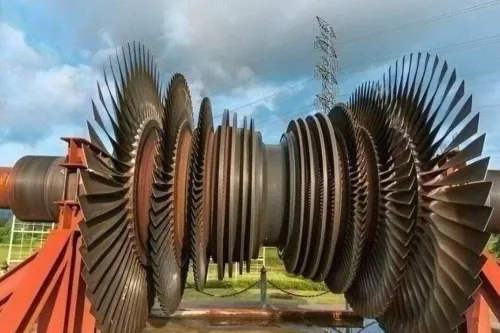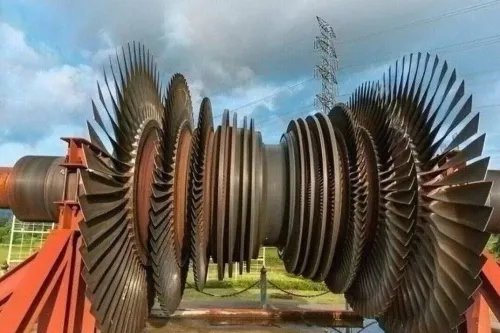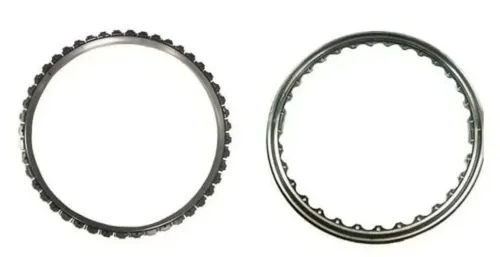

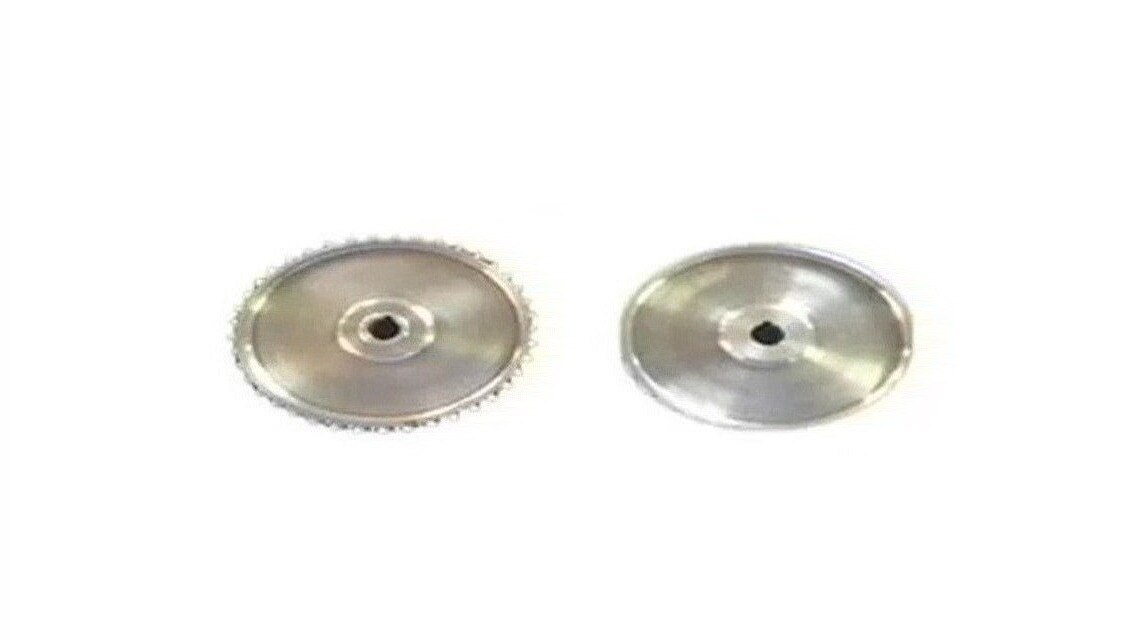
An aftermarket blade is worth buying only when its approved design, traceability, technical fit, and total installed cost survive comparison with an OEM part, repair, used serviceable unit, or new-old-stock component. By the end, you will have a practical way to price the risk, verify airworthiness evidence, and reject a replacement that is cheap only on the purchase order.
Key takeaways
- Compare total installed cost against rejected, repaired and OEM alternatives.
- Verify the release certificate, approval basis and authorised production route.
- Match part number, engine variant, dimensional data and service bulletin status.
- Require inspection reports, material records, heat numbers and full traceability.
When does an aftermarket blade cost less than the alternatives?
An aftermarket blade costs less only when its total installed cost beats every credible alternative. Compare the cost of one failed or rejected unit, not the quoted price for one blade.
| Option | Cost drivers | Commercial case |
|---|---|---|
| OEM | Highest purchase price, but established qualification, warranty, life limits, and low rejection risk | Best for supported engines, urgent safety-critical work, or uncertain records |
| Approved repair | Quarantine, incoming inspection, stripping and recoating, dimensional restoration, balancing, and documented post-repair limits | Preserves a traceable service part at lower cost when repair limits remain |
| Used serviceable | Lower price, but life-history review, inspection, engineering review, rejection risk, and shorter future life | Works when serial, cycles, hours, removal reason, and approval are complete |
| New-old-stock | Attractive price, though quarantine, configuration checks, storage review, warranty, and remaining shelf or life limits apply | Useful when the part is genuine and fully traceable |
| Aftermarket replacement | Purchase price plus qualification, installation, balancing, downtime, warranty review, and possible rejection | Strongest for legacy engines, OEM obsolescence, long OEM lead times, fleet standardisation, or overhaul plans using lower-cost hardware |
For aero engine blade procurement, add engineering review and qualification to quarantine, incoming inspection, installation, and downtime. A replacement removes accumulated damage and remaining-life uncertainty; a repair does not.
The economics fail when an aircraft’s value cannot justify qualification work, the engine configuration lacks support, or a safety-critical blade has unresolved design or life history. A visually sound blade with missing records can become the most expensive option after rejection.
A search for aftermarket aero engine blades in Munich identifies a market, not approval or fit. Buy only when the approved data, configuration, inspection evidence, warranty, and future life limits close every cost and safety gap.
What approval status does an aftermarket blade actually have?
A “release certificate” does not automatically make an aftermarket blade eligible for installation. Classify the part before aero engine blade procurement:
- An FAA PMA or applicable EASA design approval identifies an approved design and its eligible engine or aircraft. An STC approves a defined modification or installation, not every blade carrying the same dimensions.
- A licensed production part is manufactured under permission from the design approval holder, using controlled drawings and processes.
- A reverse-engineered part copies an existing design but is installable only when an approved design basis covers it.
- An approved repaired part retains its approved identity after work performed under an authorised repair scheme.
- An unapproved copy lacks an acceptable design or production basis, even if a replacement aero engine blade supplier calls it “equivalent.”
For a civil engine under EASA jurisdiction, Part-21 separates design approval, production approval, and maintenance release. Request the applicable EASA approval or validated design approval, plus an EASA Form 1. The Form 1 records authorised release; it does not prove that an unapproved design fits every engine.
For FAA-operated aircraft, demand the exact FAA PMA number, approved article, eligible type-certificated product, and FAA 8130-3. Also obtain the installation basis for the specific engine and aircraft.
Your file must establish:
- Design eligibility and applicability
- Production or maintenance approval
- Condition and configuration
- Modification or installation instructions
A generic certificate of conformity, a release document without applicability, or an STC that excludes the installation cannot complete procurement. Stop until the supplier closes that gap.
How do you prove that the blade fits the engine, not just the drawing?
Prove fit through configuration and assembly data, not envelope dimensions alone. Ask for a signed comparison against the approved engine data.
- Exact part number and dash number
- Engine model and stage number
- Left/right configuration
- Platform or shroud arrangement
- Drawing revision
- Modification and service-bulletin status
- Effectivity for the specific engine serial number
Require confirmation of airfoil geometry, root attachment, platform and shroud geometry, cooling-hole pattern, mass limits, coating system, material condition, and approved blend or repair limits. A dimensionally interchangeable blade is not installation-ready if any of these differ.
One blade changes rotor behaviour. Its mass, moment, circumferential position, platform fit, and clearances affect balance, vibration, and engine performance. Ask whether the replacement aero engine blade supplier matches individual blades, pairs, sets, stages, or the complete rotor, and request the accompanying balance evidence.
| Option | What it means | Evidence needed |
|---|---|---|
| Replacement blade | New hardware replacing the service part | Approved configuration, material and coating records, mass and balance data |
| Approved repair | Traceable service blade restored within approved limits | Repair scheme, inspection results, post-repair life restriction, next inspection interval |
A precision blade manufacturer should state whether repaired blades retain reduced life or shorter inspection intervals. Do not accept “fits the drawing” without assembly requirements, rotor-position rules, or clearance limits. If those records are missing, stop the purchase until the engine data and configuration are reconciled.
What inspection and traceability evidence protects the purchase?
A safe purchase starts with identity and life status, not a polished airfoil. For life-limited turbine parts, require records that connect the blade to its approved source and removal event; a used serviceable blade without life history is not equivalent to a traceable replacement.
1. Record the exact part number, serial number where applicable, accumulated cycles or hours, removal reason, engine identification, removal-event documentation, and approved source. Missing serial history blocks a reliable life assessment.
2. Match incoming inspection to the blade material, engine location, and operating exposure. Visual inspection cannot reliably reveal creep, oxidation, hot corrosion, thermal-fatigue cracking, high-cycle fatigue, low-cycle fatigue, foreign-object damage, or coating degradation.
3. Request the approved inspection method and acceptance standard. Require fluorescent penetrant inspection for surface-breaking indications, with radiography, eddy-current, ultrasonic inspection, or another method when the geometry or suspected defect demands it. “NDT inspected” is not objective evidence.
4. Check the coating system, bond coat, thermal-barrier or environmental coating, cooling-hole condition, stripping records, recoating process, and dimensional results. Unexplained refinishing can conceal base-metal damage or change fit and heat-transfer behaviour.
5. Reject unexplained risk signals: inconsistent heat or material certificates, generic certificates of conformity, unusually low pricing, or reluctance to provide inspection data. In aero engine blade procurement, these gaps matter as much as the quoted price.
A search for aftermarket aero engine blades in Munich does not replace engine-specific records. Buy only when identity, life, inspection, coating, and acceptance evidence agree.
How should you qualify an aftermarket blade manufacturer before ordering?
Qualify the supplier against the exact engine, stage, aircraft installation, and approval basis—not its location or marketing claims.
| Criterion | Evidence to request | Disqualifier |
|---|---|---|
| Product eligibility | Engine model, stage, part number, drawing or repair-scheme revision, effectivity, FAA PMA or EASA approval position | Generic “aviation” capability |
| Release authority | FAA 8130-3 or EASA Form 1, issuing organisation, approved article, installation basis | Release document with no applicability |
| Quality scope | Quality-system certificate and scope covering the blade process | Certificate covering unrelated products |
| Configuration control | Revision history, modification and service-bulletin status | Uncontrolled drawing or repair scheme |
| Installation support | Fit, coating, cooling holes, mass, matching, balance, warranty, replacement support | No engine- or aircraft-specific evidence |
Ask for material and heat-treatment traceability; casting or forging records where applicable; machining inspection data; cooling-passage or hole verification; coating-process records; NDT reports; nonconformance records; and post-delivery replacement terms. Request serial and life status, not merely a certificate of conformity.
“gas turbine blade and vane manufacturers in munich,” “aftermarket aero engine blades in munich,” and “precision blade manufacturer” are search descriptions, not approval categories. An industrial gas-turbine supplier or machined-blank producer may lack civil-aircraft installation eligibility. Assess BVPL Turbine Parts by the same documented process control and application evidence as every competing source.
Buy aftermarket when approval, fit, life status, inspection evidence, and total installed cost are documented. Choose OEM, repair, or another supplier when any gate remains unresolved.
Related items
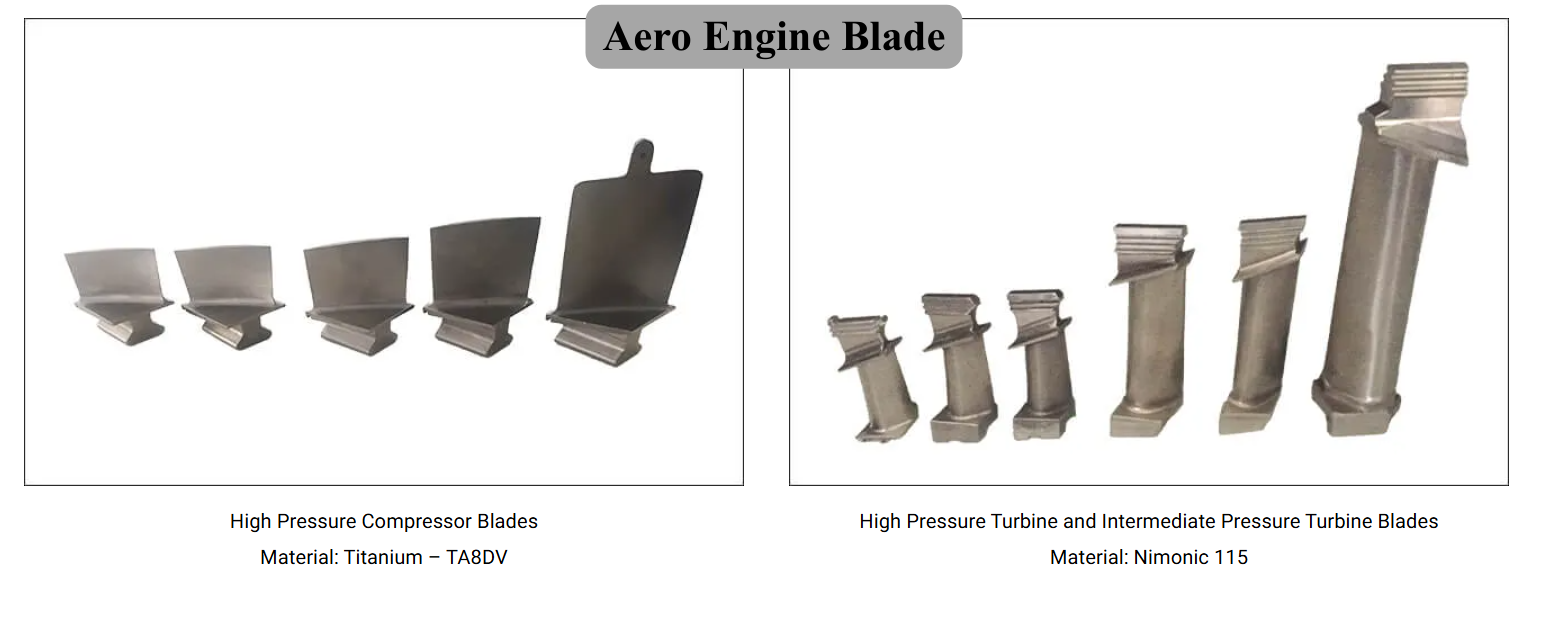 | Precision Components Manufacturer Aero Engine Blade View product → |
Reverse Engineered Aero Engine Blades and Blisks Blisks for Aero Engines Material : Stainless Steel Blisks for Aero Engines Material : Stainless Steel |
Frequently asked questions
When does an aftermarket aero engine blade cost less?
It costs less when its purchase, inspection, installation, downtime and rejection risks remain below the total cost of an OEM blade, repair or approved used part.
What approval status should an aftermarket aero engine blade have?
Ask for the applicable approval basis and release document, such as an EASA Form 1 or FAA Form 8130-3 when required, and confirm that the document covers the exact part.
How do you prove a blade fits the engine?
Match the blade part number and revision to the engine model, configuration and service bulletins, then review dimensional, balance, interface and material evidence.
What inspection and traceability records should you request?
Request the certificate of conformity, inspection results, material certificate, heat or batch number, manufacturing records, nonconformance history and serial-number traceability.
How should you qualify an aftermarket blade manufacturer?
Audit its quality system, approvals, process controls, inspection capability, supplied references, corrective-action history and ability to maintain traceability through delivery.
Related items
Aero Engine Blades and Vanes Blades Material: Inconel and Titanium Blades Material: Inconel and Titanium |
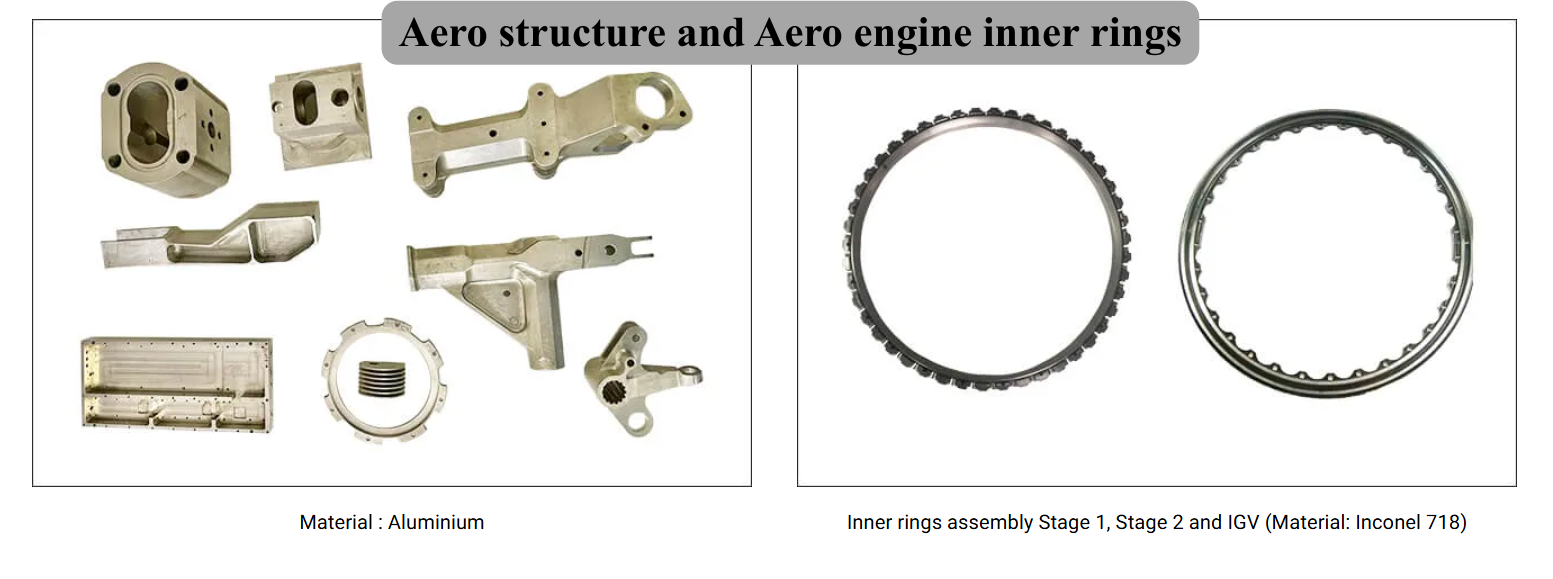 | Precision Components Manufacturer Aero structure and Aero engine inner rings BVPL Turbine Parts manufactures precision aero-structure components and aero engine inner rings used in critical aircraft and gas turbine assemblies. View product → |
Reverse Engineered Aero Engine Blades and Blisks Reverse Engineered Blades by BVPL Material : Aluminium, Stainless Steel and Titanium Reverse Engineered Blades by BVPL Material : Aluminium, Stainless Steel and Titanium |
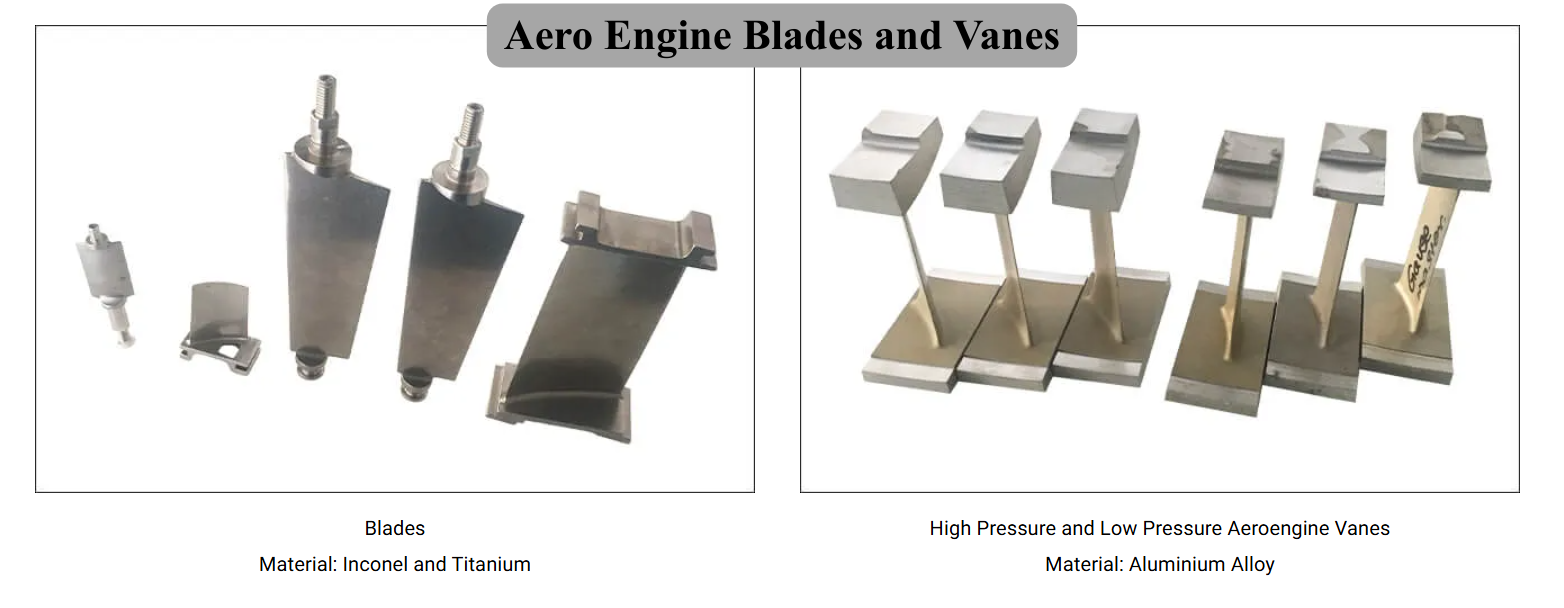 | Precision Components Manufacturer BVPL manufactures precision aero engine blades and vanes used in compressor and turbine stages of gas turbine engines. View product → |