
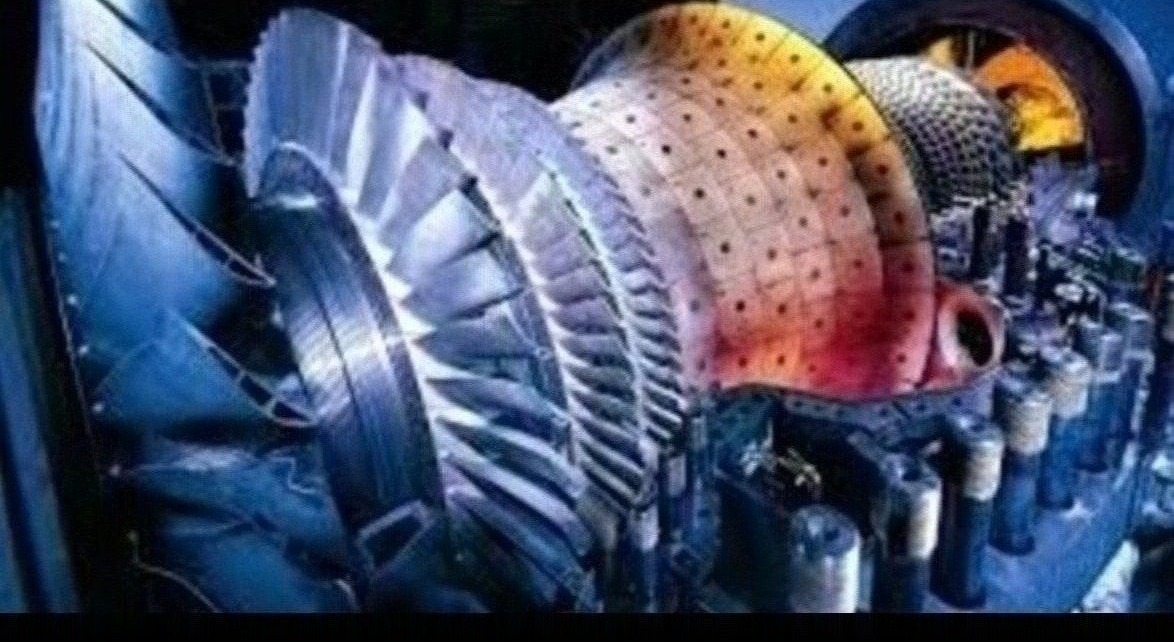
When an industrial gas turbine reaches the maintenance stage, operators may need to decide whether replacement components should come through the original equipment channel or from qualified aftermarket gas turbine manufacturers.
There is no universal answer. The appropriate route depends on the component, technical information available, operating requirements, qualification process and maintenance strategy.
Understanding the OEM Route
OEM components offer a straightforward connection to the original turbine design and established part specifications. For some operators and applications, this may be required by internal procedures, warranties, contracts or technical policies.
The trade-off can involve procurement flexibility, particularly for mature turbine fleets or components with challenging availability.
Where Aftermarket Manufacturing Fits
Aftermarket manufacturing can provide another sourcing route for organisations maintaining existing turbine assets.
It may be considered when:
Legacy components have limited availability
Alternative sourcing is permitted
Replacement lead times need evaluation
Components can be manufactured from available technical data
Reverse engineering is technically and contractually appropriate
Operators want additional qualified supply options
The emphasis should always remain on engineering suitability rather than simply finding a cheaper replacement.
Qualification Is Essential
An aftermarket component should not be treated as equivalent merely because its external appearance matches an existing part.
Material specification, dimensional accuracy, interfaces, surface requirements and inspection criteria need to be reviewed.
BVPL Turbine Parts manufactures gas turbine components for global aftermarket customers and provides reverse engineering, CAD modelling and precision machining services. Its Germany-focused presence includes Munich and supports the company's European market context.
For German power-generation and industrial organisations, aftermarket sourcing can be valuable when incorporated into a controlled procurement and engineering process.
Rather than framing the decision as OEM versus aftermarket based only on price, buyers should compare technical compliance, quality controls, documentation, manufacturing experience, lead-time expectations and lifecycle requirements. That produces a sourcing decision aligned with operational needs rather than short-term purchasing considerations.