
A damaged vane is not automatically a repair candidate: pressure stage, temperature exposure, attachment geometry, material condition and approved repair limits determine the outcome. By the end, you will know how manufacturers inspect the damage, when high-pressure vane replacement is safer, and what evidence to require before fitting a repaired or aftermarket part.
Key takeaways
- Compare damage with the approved repair limits before machining.
- Ask for inspection findings, dimensional results, and release documentation.
- Match the replacement to the engine model, part number, and approved design.
- Choose replacement when cracks, distortion, or material loss exceed repair limits.
How high- and low-pressure vanes fail differently
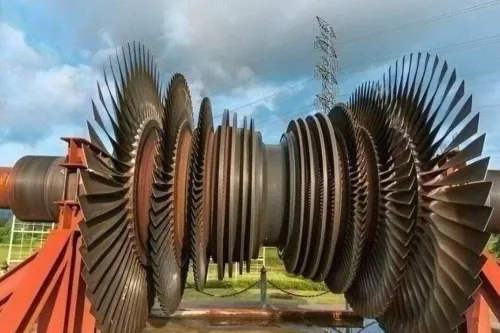
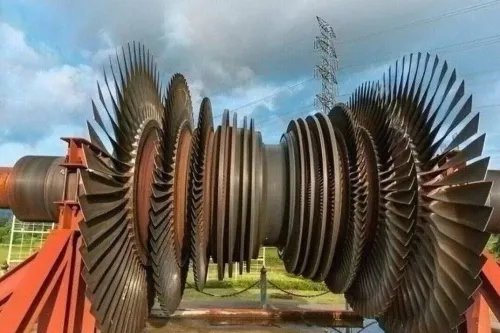
An HP turbine vane sits immediately downstream of the combustor, where hot gas enters the first turbine stage at the highest temperature and pressure. An LP turbine vane sits farther aft in later turbine stages, where gas temperature and pressure have fallen but vibration, erosion and dimensional changes still affect efficiency.
Both are stationary nozzle-guide components; the adjacent rotating parts are blades.
Compressor stator vanes sit upstream of combustion and face cooler airflow, yet inlet debris, erosion, corrosion, rubs and distortion can still damage them. Do not apply compressor-vane limits to hot-section turbine vanes.
HP and LP failures differ in both severity and repair risk:
| Location and exposure | Typical damage | Repair consequence |
|---|---|---|
| HP turbine vane | Oxidation, hot corrosion, thermal-fatigue cracks, creep distortion, enlarged or blocked cooling holes, coating loss and FOD | Map the substrate, coating and cooling passages; restoring the airfoil shape alone does not prove the vane is serviceable |
| LP turbine vane | FOD, leading-edge erosion, corrosion, platform distress, rubs, handling damage and occasional cracking | Repair may be practical, but verify cracks, attachment dimensions, stage geometry and vibration margins |
| Compressor stator vane | Inlet FOD, erosion, corrosion, galling and distortion | Use limits for the alloy and compressor stage, not HP or LP turbine criteria |
Gas turbine blade and vane manufacturers assess pressure vane damage against the part’s material, coating, cooling design and approved dimensional limits. Low pressure vane damage is not automatically minor: a small trailing-edge crack or platform distortion can alter flow and trigger rejection.
HP damage more often demands metallurgical evaluation or replacement because heat exposure can weaken material beneath an apparently clean surface.
What inspection proves a vane is repairable
A vane is repairable only when cleaning, dimensional inspection and non-destructive testing show damage within the engine manual’s approved limits; an undamaged appearance proves nothing.
| Finding | Inspection evidence | Disposition |
|---|---|---|
| Serviceable | Visual inspection finds no unacceptable FOD, erosion, corrosion or coating loss; dimensional checks confirm airfoil, platform, root and attachment measurements. Borescope inspection confirms inaccessible surfaces. | Release only if the service history and prior repair records also remain within limits. |
| Repairable defect | Fluorescent penetrant inspection (FPI) or eddy-current testing finds no prohibited crack, while measurements show a blend, dent, rub or corrosion pit within the approved repair zone. Radiography is used where welds, brazes, porosity or hidden material loss are possible. | Repair under approved technical data, then repeat dimensional and NDT inspections. |
| Reject condition | FPI or eddy current reveals a crack in a root, attachment, platform, cooling passage, braze joint or other excluded zone; radiography shows unacceptable porosity or internal separation. | Reject unless the applicable repair data specifically authorises that indication and defines its restoration. |
| Unacceptable history | Records show excessive blends, repeated stripping or recoating, prior welds, heat-treatment loss, or cumulative material removal beyond the limit. | Reject or escalate for engineering disposition, even when the latest surface looks clean. |
Aluminium-alloy aero-engine vane problems demand checks for corrosion, galling, weld-zone softening, distortion and overheating damage. Low pressure vane damage still needs crack inspection: vibration and stage-efficiency margins can be affected by a small indication near an attachment or platform. No generic blend-depth rule replaces the part-number-specific manual.
How a damaged vane is repaired and released
A removed vane is quarantined, identified by part number and serial or batch trace, then matched to its engine position and life history. Gas turbine blade and vane manufacturers treat pressure vane damage as a configuration-controlled event, not a cosmetic blend.
- Remove deposits, coating residue and contamination without erasing evidence. Record photographs, hours, cycles, repair history and the removal reason.
- Inspect the airfoil, platform, cooling passages, attachment and coating against the engine manual or approved repair data. The result is repairable, serviceable or rejected; a replacement article is not a repaired customer vane.
- Select the approved process: blending, machining, weld restoration, brazing, heat treatment, material replacement or coating restoration. Control filler compatibility, heat input, atmosphere, distortion and cooling-hole geometry.
- Reinspect the repaired vane with the specified dimensional checks and non-destructive tests. Confirm airfoil profile, platform position, attachment dimensions, coating thickness, hole condition and crack-free material.
- Record the work order, findings, measurements, materials, process parameters, inspector sign-offs and applicable technical-data revision. Link every result to the vane’s serial or batch identity.
- An authorized release person reviews the complete record and issues the jurisdiction-specific maintenance release, such as an EASA Form 1 or FAA Form 8130-3 when applicable.
Return-to-service approval remains an installation decision. The operator or approved maintenance organization must confirm the vane’s part number, effectivity, orientation, mating hardware and engine configuration before installation and engine release. If the damage exceeds approved limits, reject the repair and source an approved replacement.
When replacement beats repair—and which part can legally fit
Choose high pressure vane replacement when the current engine manual excludes the damage location or the defect reaches a critical attachment, platform, trailing edge, cooling passage, or braze joint. A cosmetic blend cannot correct creep, blocked cooling holes, metallurgical damage, or a crack beneath the visible surface.
Low-pressure repair is the better choice when approved data permits the defect and inspection confirms adequate remaining material, dimensions, and crack-free structure. Do not apply a generic blend-depth rule: limits depend on the exact part number, location, serial or batch history, and current approved repair data.
A search for after market aero engine parts manufacturers damaged high low pressure for vanes does not establish legal fit. The release documents do.
| Option | What it means | When it can fit |
|---|---|---|
| OEM | New part made under the type-design holder’s production system | When its part number, configuration, and release certificate match the engine |
| Approved aftermarket | New replacement made under approved design and production data | When the supplier provides the required authorized release and traceability |
| Repaired | Your vane restored under approved repair instructions | When the repair remains within the manual’s limits and is properly released |
| Used-serviceable | Previously operated part that passed inspection | When identity, life status, configuration, and records are complete |
| Reverse-engineered | Part recreated from measurement or an existing sample | Not acceptable unless an approved design and production basis authorizes it |
BVPL Turbine Parts belongs in a comparison only after you ask for the exact part number, applicable approval, inspection records, and release paperwork—not merely a dimensional match.
Related items
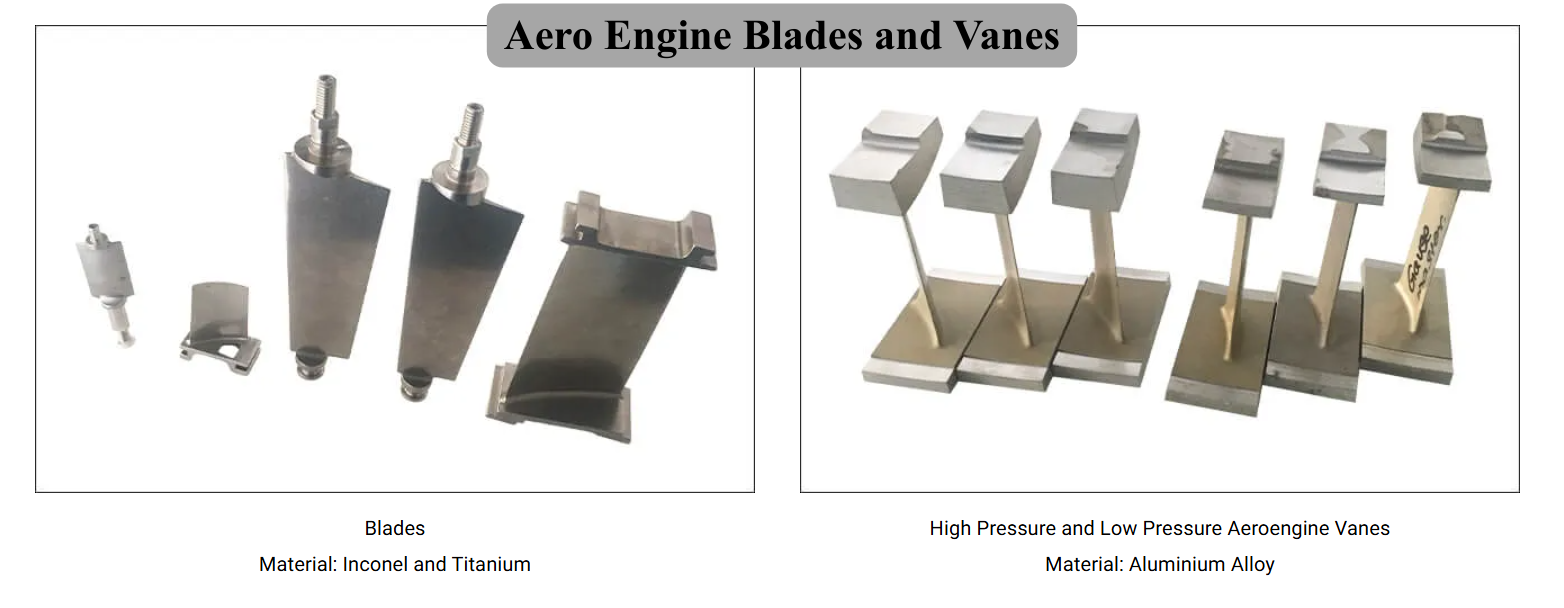
Aero Engine Blades and Vanes High Pressure and Low Pressure Aeroengine Vanes Material: Aluminium Alloy High Pressure and Low Pressure Aeroengine Vanes Material: Aluminium Alloy |
 | Precision Components Manufacturer BVPL manufactures precision aero engine blades and vanes used in compressor and turbine stages of gas turbine engines. View product → |
What to verify before ordering an aftermarket vane
Match the part number to the engine model, dash number, stage, vane position, material, coating, cooling-hole pattern, and platform geometry. A visually similar LP vane can have the wrong attachment or airflow profile; an HP vane with blocked passages can create a hot spot after installation.
Ask for evidence, not a capability claim. A supplier found through searches for “after market aero engine parts manufacturers damaged high low pressure for vanes” must identify whether it supplies a new replacement or repairs your removed part.
| Check | Evidence to request | Reject if |
|---|---|---|
| Configuration | Part number, revision, engine applicability, inspection dimensions, coating and material specification | The supplier relies on photographs or says the part is “equivalent” |
| Traceability | Serial or batch record, material heat number, repair history and release certificate | The chain ends at an unmarked part |
| Approval | Approved design or repair data, production approval and applicable authority release document | The supplier offers only a certificate of conformity |
| Capability | Records of alloy repair, heat treatment, coating, cooling-passage checks and NDT | It cannot show validated processes for the vane type |
| Cost | Written price separating inspection, repair, coating, testing, shipping and scrap risk | The quote hides rework or replacement charges |
Ask how aluminium alloy aero engine vane problems are controlled: overheating, lost heat treatment, corrosion, weld-zone softening, porosity and distortion require more than visual blending. For high pressure vane replacement, confirm cooling-flow verification and dimensional acceptance. Compare the complete delivered cost and lead time with an approved repair before choosing the cheaper quotation.
Frequently asked questions
How do high- and low-pressure turbine vanes fail differently?
HP vanes face the engine’s highest temperature and pressure, so combustion distress, oxidation, coating loss, and thermal cracking are key concerns. LP vanes face lower gas temperature and pressure but remain vulnerable to vibration, erosion, impact, and dimensional changes that reduce turbine efficiency.
What inspection proves a turbine vane is repairable?
Review visual and fluorescent-penetrant inspection results, dimensional measurements, coating condition, cooling-hole condition, and evidence of cracks, distortion, or material loss. Compare every finding with the engine manual, repair specification, or approved engineering limit.
How is a damaged turbine vane repaired and released?
A repair facility cleans and inspects the vane, removes permitted damage, restores dimensions or coatings within approved limits, checks cooling passages, and completes final inspection. Request the repair record, inspection results, traceability details, and release certificate before installation.
When does replacement beat repair for a turbine vane?
Replacement is the safer choice when cracking, distortion, oxidation, erosion, coating loss, or cooling-hole damage exceeds approved repair limits, or when repair cost and turnaround exceed the value of a serviceable part.
Which aftermarket turbine vane can legally fit an engine?
Use a vane identified for the exact engine model and position, with a matching part number or approved interchangeable design. Verify the supplier’s traceability and airworthiness release documentation, such as an authorised Form 1 or FAA 8130-3 when the installation authority requires it.
Related items
 | Precision Components Manufacturer BVPL manufactures precision aero engine blades used in compressor and turbine stages of gas turbine engines. View product → |
Reverse Engineered Aero Engine Blades and Blisks Reverse Engineered Blades by BVPL Material : Aluminium, Stainless Steel and Titanium Reverse Engineered Blades by BVPL Material : Aluminium, Stainless Steel and Titanium |