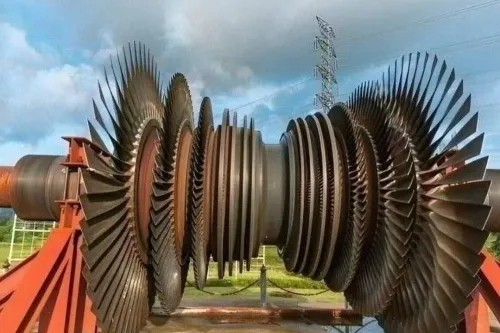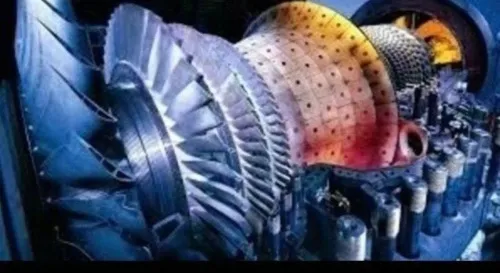

Aero engines contain components that must perform reliably while being exposed to high rotational speeds, thermal cycles and demanding mechanical loads. This explains why selecting aero engine parts manufacturers involves much more than identifying a conventional machining supplier.
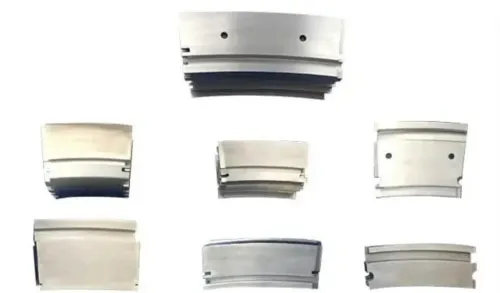
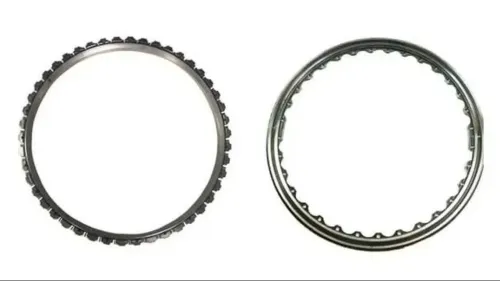
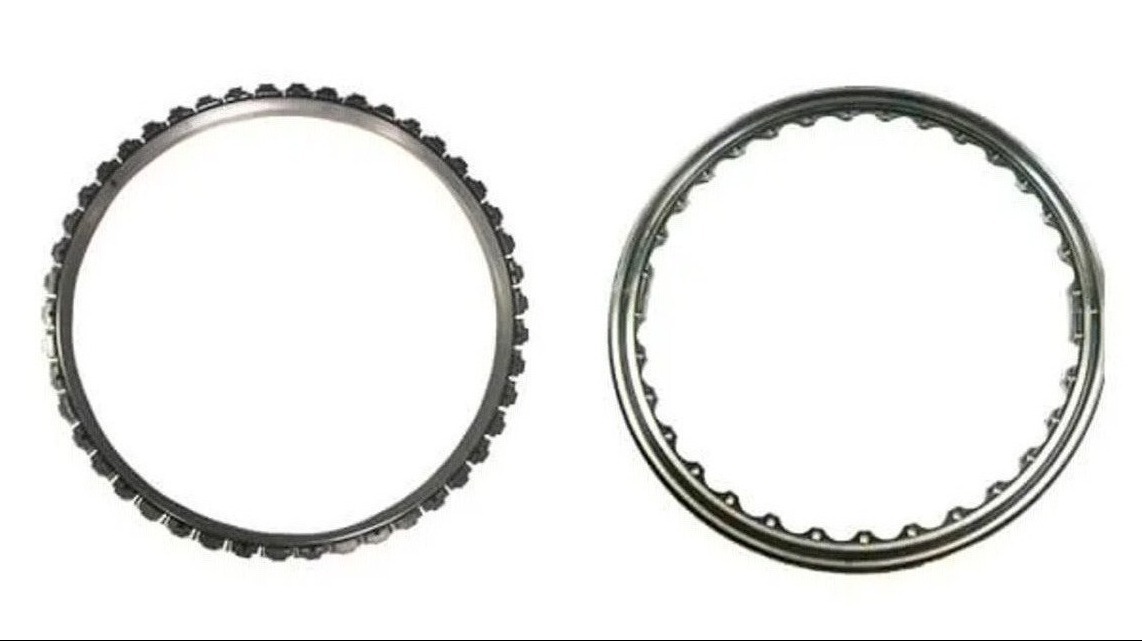
Components such as compressor blades, turbine blades, vanes, rings and blisks frequently have complex geometries. Their manufacturing processes must therefore combine suitable materials, accurate machining and structured quality control.
Why Aero Engine Components Are Difficult to Manufacture
An aero engine component may require an aerodynamic profile that cannot tolerate uncontrolled dimensional variation. Material characteristics create another challenge because aerospace applications frequently use alloys selected specifically for strength, temperature resistance or weight considerations.
Manufacturing can involve:
- Interpreting detailed engineering drawings and models
- Selecting or sourcing specified raw material
- Developing machining programs
- Controlling complex profiles
- Maintaining specified surface finishes
- Inspecting finished dimensions
- Documenting manufacturing and quality results
Multi-axis machining becomes particularly valuable when complex contours need to be produced consistently.
Different Components Create Different Requirements
A compressor blade does not experience exactly the same conditions as a turbine blade. Similarly, a structural aluminium component presents different manufacturing challenges from an Inconel engine component.
BVPL Turbine Parts manufactures aero engine blades, vanes, blisks, inner-ring assemblies and aerostructure components. Its published manufacturing capabilities include work with titanium, Inconel, Nimonic, stainless steel and aluminium alloys.
For aerospace procurement teams serving projects in Germany, this range of manufacturing knowledge can matter when sourcing technically different component families.
Manufacturing Capability Should Match the Drawing
One of the most useful principles when evaluating an aero engine component supplier is to begin with the actual component rather than a generic capability list.
Consider geometry, alloy, tolerances, inspection requirements and production quantity. Then determine whether the manufacturer has relevant experience with comparable complexity.
This component-first approach helps engineering teams distinguish general precision machining capability from the specialised manufacturing knowledge required for demanding aero engine parts.