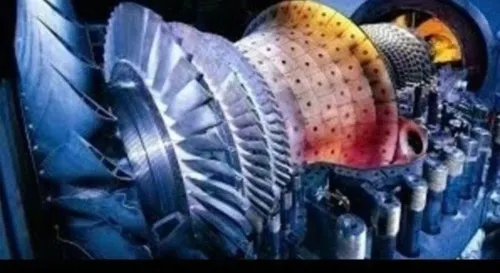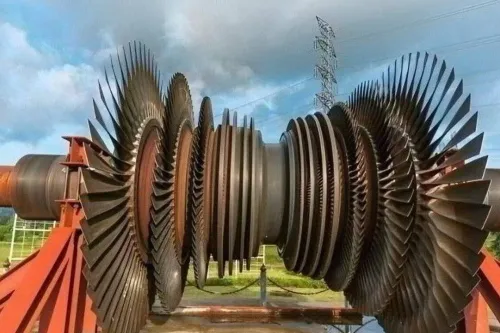

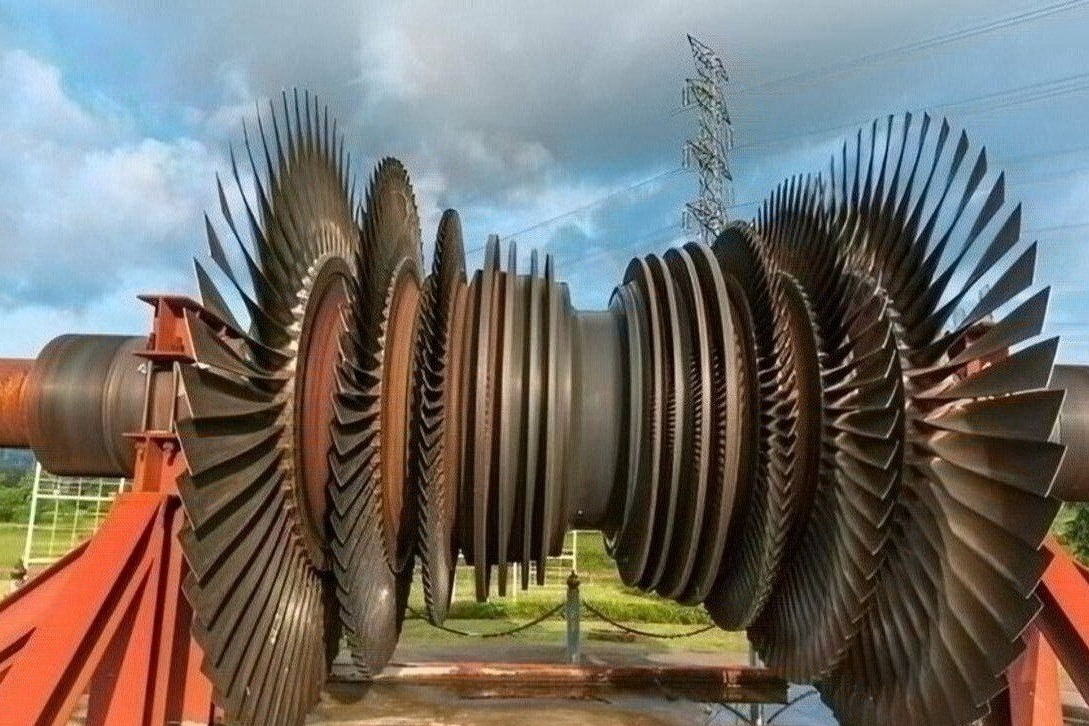
Blades and vanes are central to the way gases move through a turbine. Although both feature carefully engineered aerodynamic profiles, their functions and manufacturing considerations are not identical.
For procurement teams researching gas turbine blade and vane manufacturers in Bengaluru, understanding these differences helps when reviewing production capability and supplier suitability.
A turbine blade is generally a rotating component, while a vane is typically stationary and helps guide the gas flow toward the next stage. Because both interact directly with the working fluid, their geometry can influence flow behavior and turbine performance.
Aerodynamic Profiles Demand Precision
A turbine blade or vane is not simply machined to an approximate external shape. Engineering drawings may define:
- Airfoil profiles
- Leading and trailing edges
- Platform dimensions
- Root or mounting geometry
- Radii and transitions
- Surface requirements
- Dimensional tolerances
Small deviations in critical areas can affect how a component fits or performs within the assembly.
This is why manufacturers need a controlled process extending from engineering interpretation and programming through machining and final inspection.
Manufacturing Difficult Materials
Gas turbine components frequently require alloys selected for demanding operating environments. These materials can present machining challenges including tool wear, heat generation, work hardening, and difficulty maintaining consistent surface characteristics.
Manufacturing experience with heat-resistant alloys is therefore an important consideration when selecting a supplier.
BVPL Turbine Parts in Bengaluru lists experience machining Inconel, Nimonic, titanium alloys, stainless steels, aluminium alloys, and other heat-resistant materials. The company's precision manufacturing capabilities include blades, vanes, shrouds, and other components for turbine and aero engine applications.
Inspection Completes the Manufacturing Process
Machining a complex profile is only one part of the job. Manufacturers also need appropriate inspection methods to establish whether critical dimensions conform to the required specification.
Depending on the component and customer requirements, inspection may consider dimensional features, profile geometry, surface condition, and other drawing-specific parameters.
For Bengaluru and Karnataka-based buyers, working with manufacturers located within an established precision engineering cluster can also provide access to complementary processes and supply-chain support.
The key lesson is that blade and vane manufacturing should be evaluated as a complete engineering process. Machine availability is important, but so are programming capability, material experience, inspection, process control, and understanding of turbine component geometry.
A technically suitable manufacturer should be able to review the part specification and explain how these requirements will be translated into a controlled manufacturing and verification process.