
Turbine component procurement can become expensive when supplier selection is based on incomplete technical information. Many sourcing problems begin before machining even starts.
Companies looking for gas turbine blade, vane and shroud manufacturers in Bengaluru can reduce avoidable risks by recognizing several common procurement mistakes.
Choosing a Supplier Only by Price
The lowest quotation may look attractive, but turbine components often involve difficult materials, complex machining, specialized tooling, inspection, and documentation.
Compare what is actually included in each quotation rather than evaluating only the final number.
Assuming All CNC Manufacturers Have Similar Capability
A manufacturer capable of producing conventional shafts, brackets, or housings may not necessarily have experience with turbine airfoil profiles.
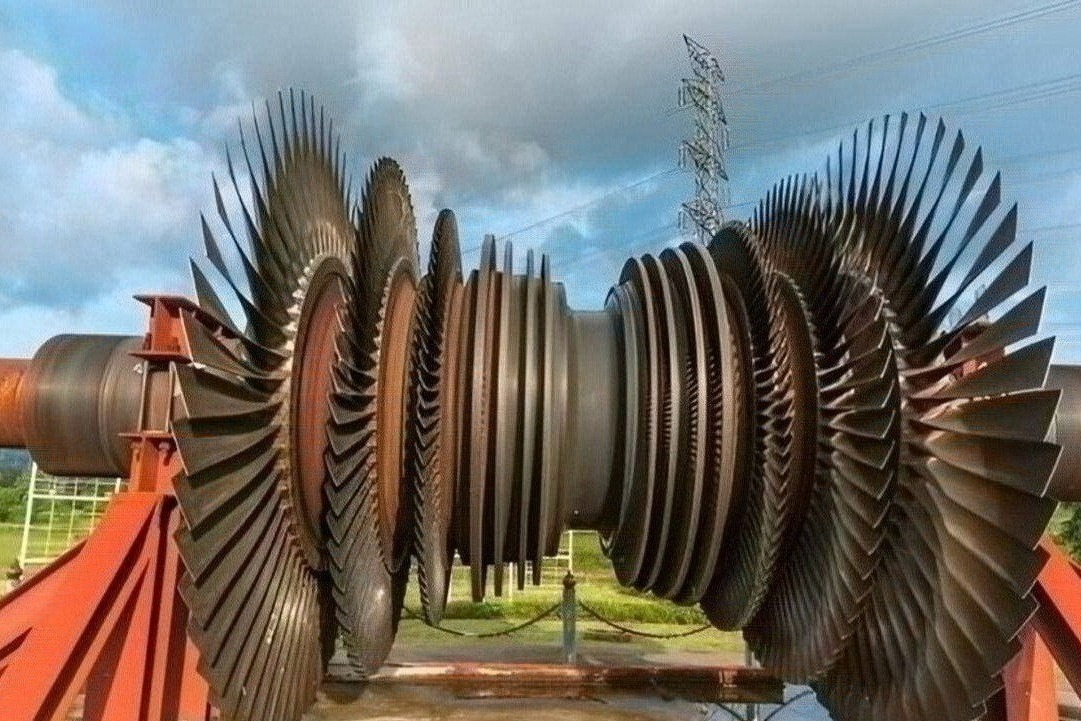
Blade and vane manufacturing can involve complex three-dimensional surfaces and difficult-to-machine alloys. Relevant component experience matters.
Providing Incomplete Engineering Information
A supplier cannot reliably plan a manufacturing route when critical information is missing.
Where applicable, provide:
- Current drawings
- 3D models
- Material specifications
- Tolerances
- Surface requirements
- Inspection requirements
- Quantity
- Documentation expectations
Clarifying drawing revisions is particularly important when several versions exist.
Ignoring Inspection Until the End
Inspection should be considered during process planning rather than added after manufacturing.
Some dimensions may require specific measurement approaches, fixtures, or CMM inspection. Establishing these requirements early reduces ambiguity between customer and manufacturer.
BVPL Turbine Parts states that it uses conventional digital measuring instruments and CMM facilities as part of its precision manufacturing capability.
Overlooking Material Experience
Heat-resistant alloys can behave differently during machining. Tool wear, cutting temperature, work hardening, distortion, and surface condition may all require careful process control.
BVPL lists experience machining titanium alloys, Nimonic, Inconel, stainless steel, aluminium alloys, and other heat-resistant materials for turbine and aerospace applications.
Treating Aftermarket Components as Generic Replacements
Aftermarket manufacturing still requires clear engineering specifications. Compatibility should not be assumed merely because a component looks similar to an existing part.
Dimensions, material, operating conditions, inspection criteria, and applicable technical requirements all need proper evaluation.
For procurement teams in Bengaluru and across Karnataka, the region's established precision manufacturing network provides numerous sourcing options. The challenge is identifying the supplier whose capability aligns with the actual component.
A disciplined RFQ package can prevent many problems. Before requesting a quotation, verify that technical data is complete, define quality and inspection expectations, and clarify the intended quantity.
Better inputs lead to better supplier evaluations and, ultimately, more predictable manufacturing outcomes.