
Aftermarket aero engine component procurement requires careful preparation. Critical parts cannot be evaluated solely by appearance, nominal dimensions, or price because manufacturing requirements can extend to material properties, complex geometry, inspection, documentation, and quality controls.
For organizations evaluating aftermarket aero engine parts manufacturers in Bangalore, establishing procurement readiness before requesting quotations can make technical discussions more efficient.
Confirm the Component Definition
First determine whether sufficient engineering information exists to define what needs to be manufactured.
Check for:
Current drawings
CAD models where available
Material specifications
Dimensional tolerances
Surface requirements
Inspection criteria
Quantity requirements
Applicable documentation
If some technical information is unavailable, determine whether lawful and technically appropriate reverse engineering is feasible.
Evaluate Relevant Manufacturing Experience
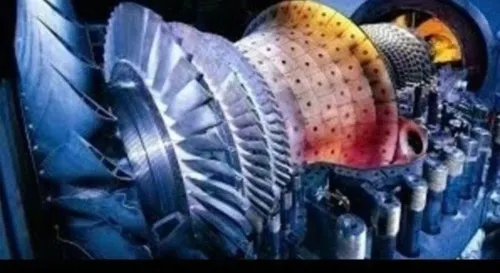
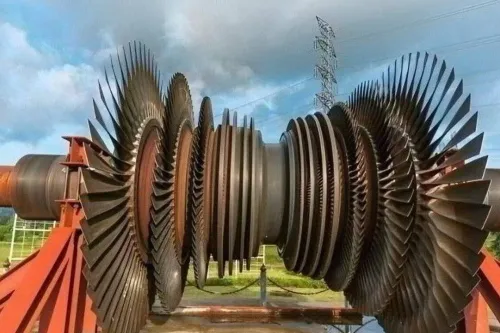
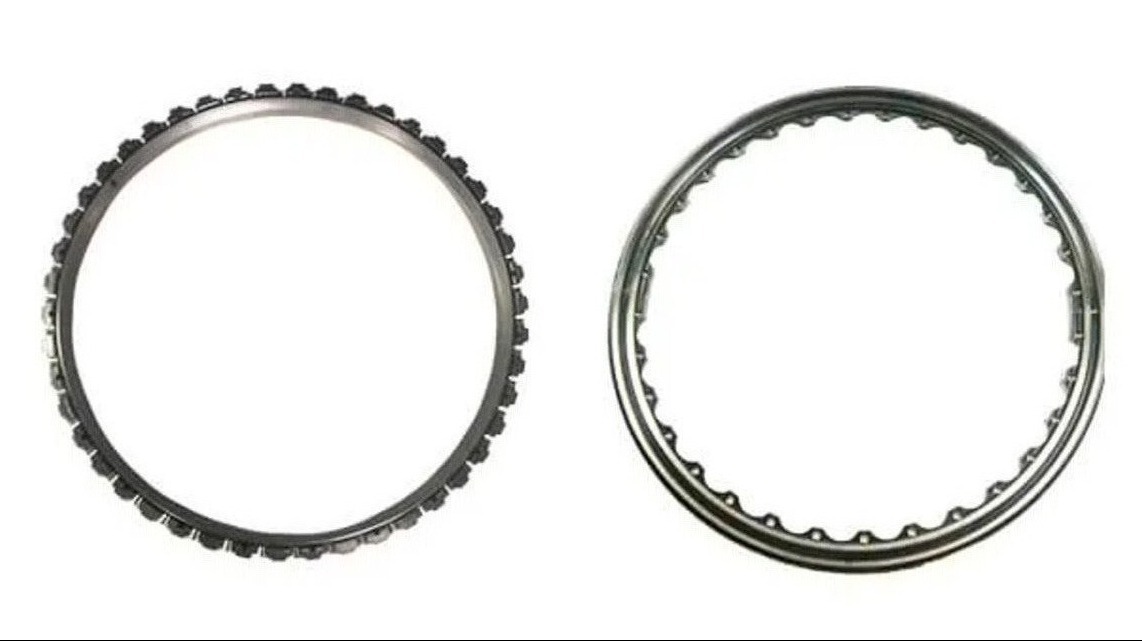
Aerospace components can include blades, vanes, blisks, rings, structural parts, and tooling components.
The manufacturer should have relevant experience with the type of geometry being sourced.
BVPL Turbine Parts lists experience manufacturing aero engine blades, vanes, blisks, inner ring assemblies, and aerostructure components. Its stated machining experience includes titanium, Inconel, Nimonic, stainless steel, and aluminium alloys.
Check Multi-Axis Manufacturing Capability
Complex airfoil geometry often requires advanced CNC programming and coordinated multi-axis machining.
Ask the manufacturer how the component would be fixtured, programmed, machined, and inspected. A technically detailed response can help distinguish genuine capability from general machining capacity.
Review Quality Systems
Aerospace component sourcing requires careful attention to quality systems and customer-specific requirements.
BVPL states that it is AS9100D and BS EN ISO 9001:2015 certified. It also lists CMM and digital measuring equipment among its inspection capabilities.
Buyers should independently confirm which approvals, records, certificates, inspection reports, and traceability requirements apply to their particular program.
Establish Commercial Readiness
Technical feasibility needs to align with commercial requirements.
Before proceeding, clarify development quantities, production quantities, tooling requirements, expected lead time, recurring demand, packaging, delivery, and any special inspection or documentation costs.
Bangalore's aerospace and precision manufacturing ecosystem makes the city relevant for organizations looking for specialized engineering capability in Karnataka.
A procurement team is ready to approach an aftermarket manufacturer when it can clearly communicate what the component is, what specifications govern it, how conformity will be assessed, and what production volumes are expected.
That preparation gives manufacturers the information needed to assess feasibility accurately and gives buyers a stronger foundation for comparing proposals.