
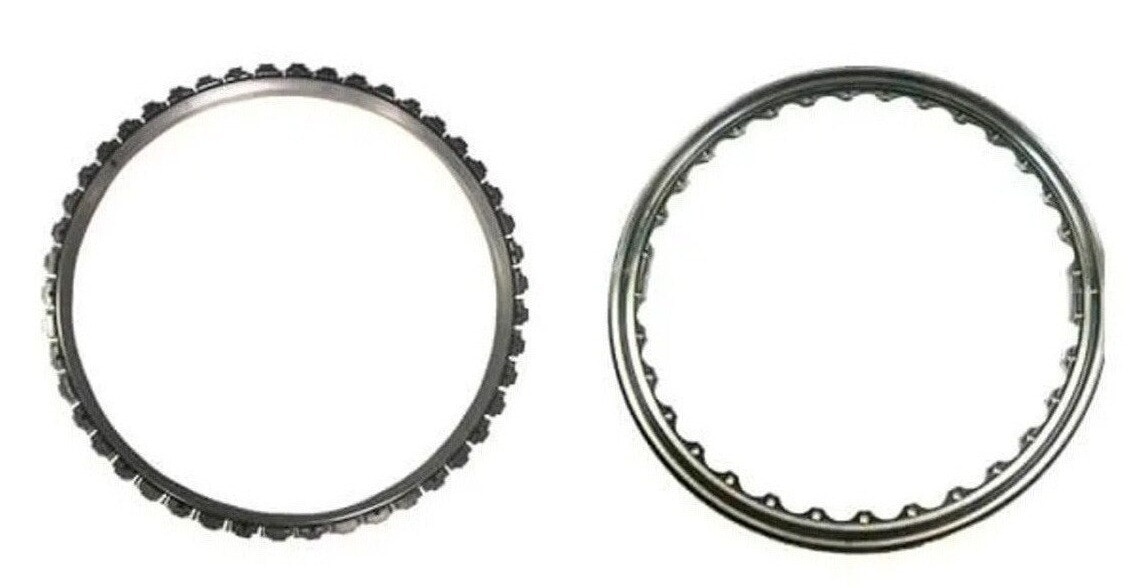
A stainless steel blisk cannot be specified safely by naming only the material. You need an approved grade, heat-treatment condition, operating envelope, geometry, manufacturing route, inspection plan, and traceability package before comparing aero-engine parts manufacturers in Bengaluru.
Key takeaways
- Specify grade, product form, heat treatment, properties, and engine-stage limits.
- Choose five-axis machining, forging, or hybrid manufacture from geometry and volume.
- Require CMM reports, balance results, material certificates, and full batch traceability.
- Set written boundaries for reverse engineering, repair, and engine qualification.
Define the stainless steel grade, condition, and engine-stage limits
A stainless steel blisk specification must name the exact grade, product form, heat-treatment condition, mechanical-property limits, and approved engine-stage operating envelope.
“Stainless steel” is not a usable material callout: stainless steel aero engine blisks are less common than titanium compressor blisks or nickel-alloy hot-stage blisks, so the engine OEM or design authority must approve the selection.
| Material or condition | What to specify | What it does not prove |
|---|---|---|
| 15-5PH or 17-4PH | UNS grade, governing material standard, forged or wrought form, solution treatment, aging cycle, hardness, tensile and yield limits | Suitability for any engine stage without design approval |
| A286 or another approved stainless grade | Exact chemistry range, inclusion and delta-ferrite limits, density, corrosion limits, and temperature ceiling | Interchangeability with a precipitation-hardening grade |
| Solution-treated condition | Treatment temperature, cooling method, hardness range, and machining allowance | Final properties after aging |
| Aged condition | Aging temperature and time, hardness, tensile strength, elongation, and dimensional limits | Stable geometry if finish machining occurs before aging |
The purchase specification must also set the maximum continuous and transient temperature, stress basis, corrosion environment, and life or cycle requirement for the named stage. Do not infer these limits from a catalogue grade.
Define the manufacturing sequence: rough machining, stress relief, aging, finish machining, and any dimensional correction. Aging can increase hardness, residual stress, and distortion, turning an acceptable rough blank into a rejected finished blisk. Include the controlled drawing, material certificate requirements, and design-authority approval with the RFQ.
Control blisk geometry and choose the manufacturing route
Give the manufacturer a controlled CAD model and drawing with revision, units, datum scheme, and coordinate system. State the disk bore, hub and outside diameters, blade count and height, airfoil sections, platform geometry, leading- and trailing-edge thickness, minimum wall, blade-to-disk fillet radii, runout, balance limits, and surface roughness.
Do not leave these values to interpretation: stainless steel blisk specifications vary by engine stage and design authority.
Specify the route and its controls in the RFQ:
- Identify the starting form: customer-supplied forging, wrought billet, or near-net blank.
- Define roughing, semi-finishing, finishing, deburring, and any approved blending sequence.
- Require CNC program and revision control, fixture references, in-process probing, tool-life limits, and controls for chatter, tool dwell, local overheating, burrs, and torn or smeared metal at thin edges.
- Mark forbidden blend zones and set the maximum permitted blend size at blade edges and fillets.
- Name the owners and approvers for heat treatment, NDT, surface treatment, and any outside special process.
| Route | Strength | Main control point |
|---|---|---|
| 5-axis CNC from forging or billet | Flexible for complex airfoils and low-to-medium quantities | Manage distortion, residual tensile stress, and tool access |
| Near-net blank plus finish machining | Reduces stock removal and cycle time | Prove blank allowances and avoid unblended transitions |
| Dedicated high-volume tooling route | Consistent repeat production | Justify tooling cost and lock the validated process |
Require a first-article package that represents the complete route, including raw-material identity, program revision, in-process records, final results, and nonconformance disposition. AS9102 records support reporting; they do not replace the drawing or special-process requirements.
Build inspection, balancing, and material traceability into the order
A completed stainless steel blisk is proven by a traceable evidence pack, not by a supplier capability statement. Tie every result to the controlled drawing and 3D model revision, purchase order, part serial number, and approved material and process specifications.
1. Require a first-article inspection report, using AS9102 where specified, with ballooned drawing characteristics, CMM results, airfoil and hub measurements, runout, fillet radii, bore dimensions, surface roughness, and inspection-equipment identification.
2. Demand material records that connect the finished part to the heat or melt number, approved mill, forging or billet, EN 10204 type 3.1 certificate, and material-test results. Use an EN 10204 type 3.2 document when the customer specification requires independent validation.
3. Record the complete process route: CNC program and revision, in-process probing, heat-treatment cycle and lot, surface treatment, and any approved outside processor. Unapproved substitution or an untraceable heat-treatment lot breaks the chain.
4. Specify NDT method and acceptance limits, such as fluorescent penetrant inspection for surface-breaking cracks, then require the signed report and indications map. Add the drawing’s balance method, correction limits, residual unbalance, and measurement speed; dimensional compliance does not prove rotational safety.
5. Close the package with surface-finish readings, calibration status, nonconformance reports, repair approvals, and final release. AS9100 certification supports the quality system, but it does not qualify a supplier or prove that stainless steel aero engine blisks meet your drawing.
Manage reverse engineering, repair, and qualification boundaries
Treat Aero engine blisk material in Bengaluru as a sourcing and qualification question, not a geographic specification. Establish who owns the design, who approves the raw-material mill, and who accepts heat treatment, nondestructive testing, and outside special processes before any machining begins.
Control each project boundary explicitly:
- Replacement: release the controlled drawing and model, approved material condition, engine-stage limit, and interchangeability decision. A dimensionally similar blisk is not automatically an approved substitute.
- Reverse engineering: obtain written design-authority approval for the measurement method, reconstructed geometry, tolerances, and inspection strategy. A scan of a worn part records its condition; it does not establish the original design intent.
- Repair: define allowable blend zones, minimum remaining wall, blend radius, material-removal limit, repair method, and reinspection. Any repair outside those zones requires an engineering disposition before production continues.
- Flight qualification: agree the qualification plan, test evidence, conformity records, and release authority. Do not call a part flight-qualified because it passed final inspection or carries an AS9100-certified supplier’s paperwork.
Require a first-article package that covers the complete route: heat-lot identity, heat treatment, controlled CNC-program revision, in-process probing, final dimensions, NDT results, surface treatment, balance, and nonconformance disposition. AS9102 structures the first-article report; it does not replace the drawing, customer acceptance criteria, or special-process approvals. Keep every deviation linked to a signed engineering disposition.
Compare Bengaluru manufacturers with a controlled RFQ
Request the same controlled technical package from every supplier before comparing price or lead time. For aero engine for parts manufacturers stainless steel blisk specifications in bengaluru, a capability brochure is not equivalent evidence.
| Evidence to request | Acceptable response | Red flag |
|---|---|---|
| Controlled design data | Drawing and 3D model with revision, datums, bore, airfoil, platform, edge thickness, fillets, runout, finish and balance limits | “Stainless steel blisk” with no approved dimensions |
| Material route | Exact grade and condition, approved mill, forging or billet certificate, heat-treatment cycle and property results | Generic stainless-steel designation |
| Process control | Manufacturing route, CNC revision control, in-process probing, approved outside processors and traceability | Unidentified subcontracting |
| Verification | Inspection plan, dimensional report, NDT method and acceptance criteria, balance report, surface-finish readings and nonconformance records | Capability statement without sample evidence |
| Qualification and delivery | First-article package aligned with AS9102, annual quantity, lead time, export or end-use restrictions and record-retention terms | Price quoted before technical review |
Treat aero engine blisk material in Bengaluru as a sourcing and qualification question, not a geographic specification. Confirm who owns design approval, approves the raw-material mill, performs heat treatment and NDT, and accepts any repair or deviation. The drawing controls engine-stage limits; a catalogue grade does not.
Ask BVPL Turbine Parts the same questions, including whether customer-supplied blanks are accepted and which records accompany the completed part. Award the order only after every quotation answers the same checklist in writing.
Related items
Reverse Engineered Aero Engine Blades and Blisks Blisks for Aero Engines Material : Stainless Steel Blisks for Aero Engines Material : Stainless Steel |
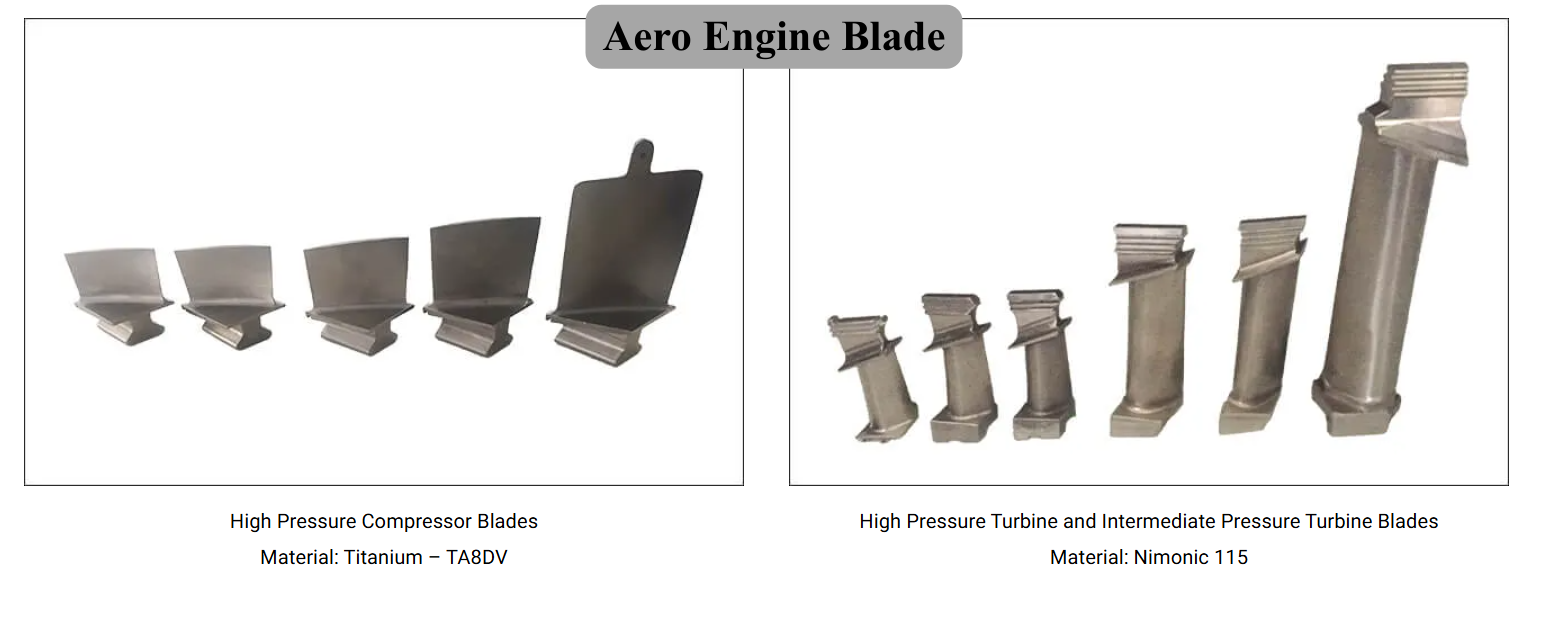 | Precision Components Manufacturer Aero Engine Blade View product → |
Frequently asked questions
What must a stainless steel blisk specification include?
Name the exact stainless steel grade, product form, heat-treatment condition, mechanical-property limits, and approved engine-stage operating envelope.
How do you choose a blisk manufacturing route?
Compare five-axis machining, forged preforms, and hybrid routes against blade geometry, material removal, production volume, and inspection access.
Which inspection and traceability records should an RFQ require?
Request dimensional CMM results, surface-finish records, balance data, material certificates, heat-treatment records, batch numbers, and nonconformance history.
What are the limits of reverse engineering and repair?
Define which dimensions can be measured, which repairs are permitted, and when design authority approval, requalification, or a new first-article inspection is required.
Related items
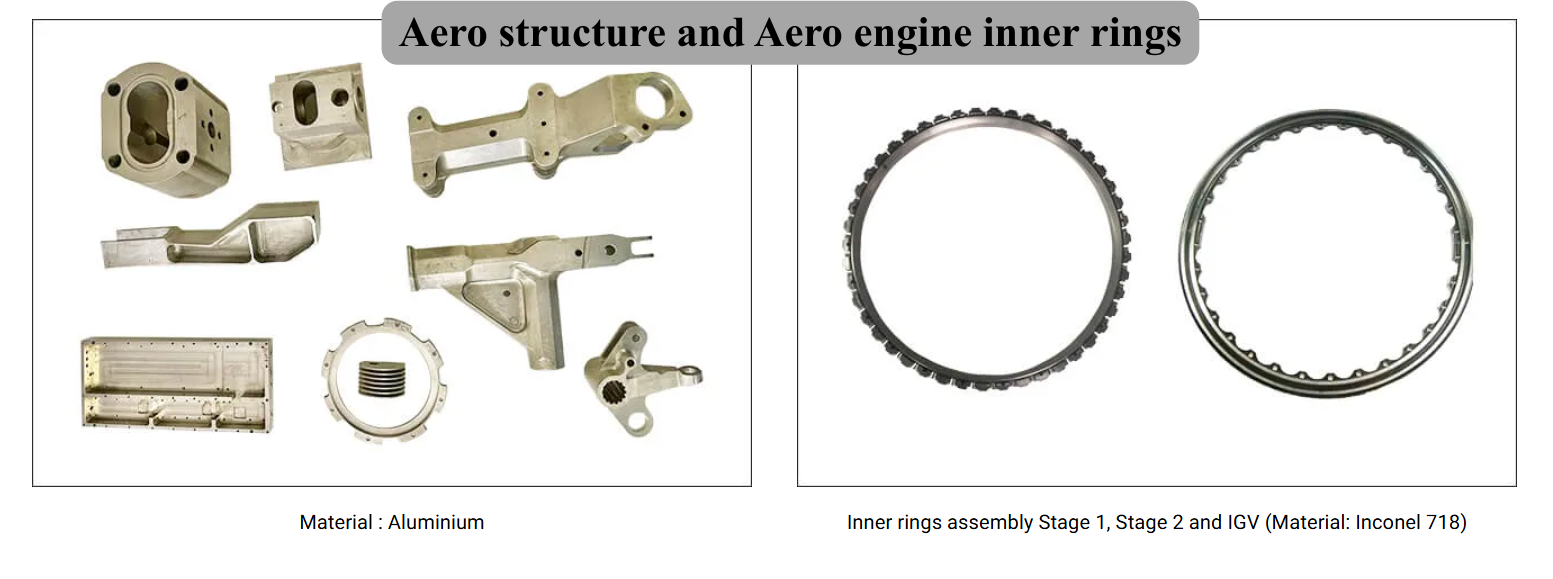 | Precision Components Manufacturer Aero structure and Aero engine inner rings BVPL Turbine Parts manufactures precision aero-structure components and aero engine inner rings used in critical aircraft and gas turbine assemblies. View product → |
Reverse Engineered Aero Engine Blades and Blisks Reverse Engineered Blades by BVPL Material : Aluminium, Stainless Steel and Titanium Reverse Engineered Blades by BVPL Material : Aluminium, Stainless Steel and Titanium |
Aero Engine Blades and Vanes Blades Material: Inconel and Titanium Blades Material: Inconel and Titanium |
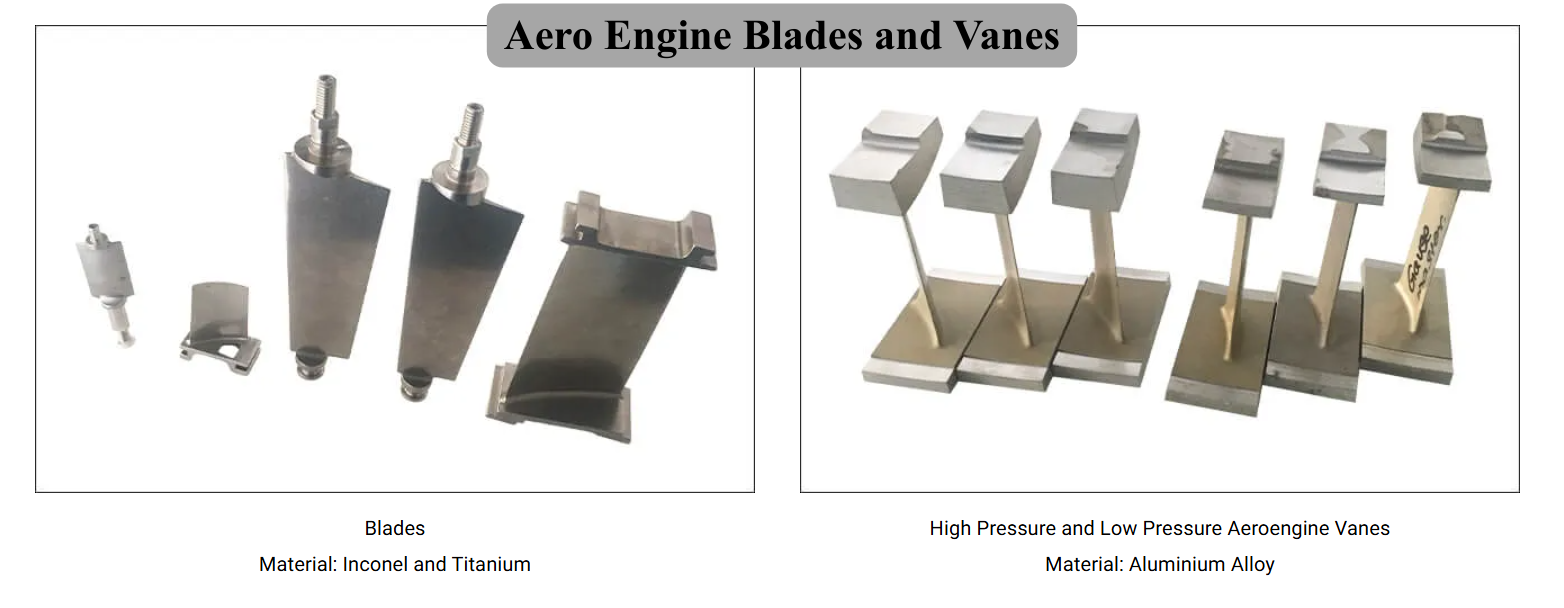 | Precision Components Manufacturer BVPL manufactures precision aero engine blades and vanes used in compressor and turbine stages of gas turbine engines. View product → |