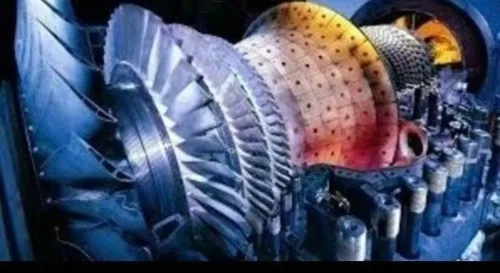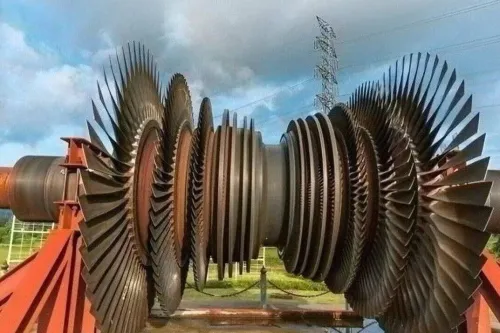

Blade recovery is not simply the manufacture of a replacement part: it can involve inspection, damage classification, controlled blending, weld build-up, coating renewal, dimensional restoration, or rejection. You will be able to separate recoverable blades from scrap, compare titanium with nickel alloys, and prepare a supplier brief that supports a defensible repair decision.
Key takeaways
- Record part number, engine stage, batch identity and incoming condition first.
- Repair damage only when inspection proves geometry and material integrity can be restored.
- Compare Inconel heat resistance with titanium’s lower-temperature weight advantage.
- Request traceability, inspection reports and process evidence before approving recovered blades.
What does blade recovery include beyond making a new blade?
Blade recovery starts with positive identification, cleaning, visual examination and dimensional inspection. Record the exact part number, engine model, stage, serial or batch identity and incoming condition before removing material. A replacement blade made to the same drawing is not automatically a recovered blade.
1. Classify each indication against the applicable OEM repair manual, drawing or engineering disposition. Record crack length, blend depth, remaining thickness, edge radius, profile deviation, runout and surface finish against stated acceptance limits.
2. Select the approved recovery route: controlled blending, local weld repair, laser metal deposition, brazing, heat treatment, machining, coating restoration or reverse engineering. The procedure must control heat input, filler or feedstock, machining allowance and final geometry.
3. Complete release inspection with liquid penetrant inspection, airfoil-profile verification, root and platform checks, and dimensional records. Add coating, mass, moment-weight or balance results when the engine specification requires them.
4. Assemble traceability from the incoming identity through repair consumables, qualified operators and procedures, heat treatment, NDT and final inspection. Request the repair procedure number, acceptance limits, NDT report, dimensional report and release basis before treating a quotation as a recovery solution.
A CNC manufacturer may produce a replacement blade without the approval, equipment or qualified procedure to repair an incoming blade. Ask whether the supplier accepts your exact part number and engine model for inspection, or only manufactures new components. An aftermarket blade recovery supplier describes a complete inspection-to-release capability, not merely access to five-axis machining.
Which blade damage is repairable, and when is replacement safer?
Appearance is only triage. Decide from the damage location and the approved limit in the OEM repair manual, drawing or engineering disposition.
| Damage | Possible disposition | Decision evidence |
|---|---|---|
| Shallow leading-edge dent | Controlled blending | Remaining thickness, edge radius and profile remain within limits |
| Limited tip rub or local erosion | Blend or restore material | Blend depth and final airfoil profile meet the approved section limits |
| Controlled airfoil thinning | Blend only within limit | Minimum remaining thickness is documented |
| Tip loss | Weld build-up or replacement | Qualified heat input, metallurgical condition and final geometry |
| Trailing-edge crack, burn, oxidation or foreign-object damage | Repair only after assessment | Crack map, depth measurement and metallurgical findings |
| Platform distress | Repair or reject | Platform fit, root geometry and crack extent |
| Root, fir-tree or attachment-fillet crack | Reject or OEM engineering review | The defect enters a critical load path |
A smooth weld or blend does not prove airworthiness. Reject or quarantine the blade when distortion prevents profile restoration, oxidation extends beyond the permitted blend depth, or records cannot establish the original datum.
For a repair quotation, request these limits in writing:
- Maximum crack length and permitted crack location
- Maximum blend depth and minimum remaining thickness
- Edge-radius, profile-deviation and runout limits
- Required surface finish, platform fit and root dimensions
Tip-loss repair requires controlled deposition, final machining and inspection; excessive heat input can create a heat-affected zone, residual stress or distortion. If the repair cannot restore the approved geometry and material condition, replacement is safer than forcing a weld repair.
How do Inconel and titanium recovery decisions differ?
Treat titanium compressor blades and nickel-based-superalloy turbine blades as different recovery problems; they are not interchangeable.
| Material | Typical location | Recovery consequence |
|---|---|---|
| Titanium alloy, such as Ti-6Al-4V | Fan and compressor stages | Low density and strong strength-to-weight performance; many turbine stages exceed its temperature capability |
| Nickel-based superalloy | Hotter turbine stages | Retains strength and resists oxidation; the limit depends on alloy, coating and engine design |
Titanium turbine blade replacement needs a precise answer: is the order for a titanium compressor blade, a rare titanium turbine application, or a nickel-alloy turbine blade? Installing titanium where a nickel superalloy is specified can cause rapid strength loss, oxidation or creep.
Installing a heavier nickel blade in a titanium compressor position can change rotor mass, balance and aerodynamic performance.
“Inconel” identifies a family, not a repair specification. Wrought Alloy 718 does not share the weldability, heat treatment or filler requirements of cast alloys such as 713 or 939; Alloy 625 is another distinct specification. Record the exact grade, product form, heat-treatment condition and engine-stage assignment before choosing blending, welding, deposition or replacement manufacture.
An inconel aero engine blade manufacturer in bengaluru may machine a new nickel blade without recovering an incoming part. For searches such as aero engine parts manufacturers inconel titanium blade for recovery in bengaluru, distinguish that capability from an inconel aero engine blade manufacturer in bengaluru offering inspection, repair and release documentation.
Require the material certificate and condition before approving the process.
What must a qualified repair process prove after material is restored?
A repaired blade is acceptable only when the process proves restored material, geometry and service suitability. The specification must identify the repair method, consumable or feedstock, shielding arrangement, equipment and acceptance limits—not merely say “weld repaired.”
1. Distinguish TIG welding, laser welding and laser-directed-energy deposition. Record qualified limits for preheat, interpass temperature, heat input, deposition parameters, machining allowance, post-repair heat treatment and metallurgical examination. For nickel blades, compare weld build-up and laser deposition against heat-affected-zone size, residual stress and geometric overbuild.
2. Control titanium contamination by measuring or limiting oxygen, nitrogen and hydrogen exposure. Ask whether the procedure requires an inert chamber, trailing shield or both, and how it detects or removes oxygen-enriched alpha case and other embrittled material.
3. Specify the NDT method instead of accepting “NDT tested.” Liquid penetrant inspection can reveal surface-breaking cracks in non-ferromagnetic titanium and nickel alloys, but it cannot prove subsurface integrity. Request the penetrant method and sensitivity, cleaning restrictions, inspector qualification and report format.
4. Verify the repaired airfoil with CMM inspection, optical scanning or dedicated profile gauges. Check tip clearance, platform fit, root dimensions, datum alignment and set matching; a smooth blend can still produce unacceptable aerodynamic or assembly geometry.
5. Treat coating restoration as separate work. Confirm surface preparation, bond-coat compatibility, coating thickness, masking, adhesion or metallographic controls and post-coating dimensions.
6. Put mass, moment weight and rotor-balance limits in the purchase order, alongside the repair acceptance criteria.
How should you qualify a Bengaluru supplier for blade recovery?
Qualify an aftermarket blade recovery supplier by its inspection-to-release chain, not by machining capacity. Send the supplier:
- Blade part number, engine model and stage number
- Serial or batch identity, damage photographs and inspection findings
- Operating hours or cycles and repair history
- Available dimensional data
Photographs support triage; they do not establish repairability or airworthiness. Request the approved drawing revision, repair manual or engineering-disposition basis, material certificate, heat-treatment records, incoming and final inspection reports, repair-consumable traceability and repair-release documentation.
Check what each credential actually covers:
| Credential | What it proves | What it does not prove |
|---|---|---|
| AS9100 or EN9100 | A certified quality-management system | Authority to repair your engine part |
| NADCAP welding, heat treatment, NDT or coating | Accreditation for the stated process scope | Approval for every alloy, component or recovery operation |
| Repair-station or MRO approval | Civil aviation maintenance authority within its scope | Acceptance unless the installing operator or authority recognises the release |
Confirm that the facility approval names your component and process. For civil aviation, verify the repair-station or MRO approval and release document accepted by the installing operator or authority.
An Inconel aero engine blade manufacturer in Bengaluru may machine a new blade without performing approved recovery. Ask BVPL Turbine Parts whether it performs recovery, supports your exact Inconel grade or titanium specification, and supplies the complete inspection-to-release package. Choose traceability and release authority over machine-tool capacity alone.
Related services
Aero Engine Blades and Vanes Blades Material: Inconel and Titanium Blades Material: Inconel and Titanium |
High Pressure Compressor Blades Material: Titanium – TA8DV With decades of experience and a legacy of excellence, we take pride in our role as a trusted partner for governments, defense organizations, and... View service → |
Frequently asked questions
What does aero-engine blade recovery include beyond making a new blade?
Recovery includes positive identification, cleaning, visual examination, dimensional inspection, controlled material removal, repair, finishing and final verification against the approved drawing or repair data.
Which blade damage is repairable, and when is replacement safer?
Repair is appropriate when damage remains within approved limits and the process can restore profile, dimensions and material integrity. Replace the blade when cracks, excessive material loss, distortion or unknown history prevents reliable verification.
How do Inconel and titanium blade recovery decisions differ?
Inconel recovery focuses on heat exposure, oxidation, creep and weld or machining effects. Titanium recovery requires stricter control of contamination, heat input and surface condition because titanium is sensitive to oxygen and embrittlement at elevated temperatures.
What must a qualified repair process prove after material is restored?
It must prove restored dimensions, surface condition, material soundness and traceability through documented inspections such as dimensional reports, visual inspection and non-destructive testing where the repair data requires it.
How should you qualify a Bengaluru supplier for blade recovery?
Ask for relevant approvals, repair procedures, calibrated inspection equipment, material and batch traceability, sample inspection records, non-destructive testing capability and clear acceptance criteria before placing work.
Related items
Reverse Engineered Aero Engine Blades and Blisks Reverse Engineered Blades by BVPL Material : Aluminium, Stainless Steel and Titanium Reverse Engineered Blades by BVPL Material : Aluminium, Stainless Steel and Titanium |
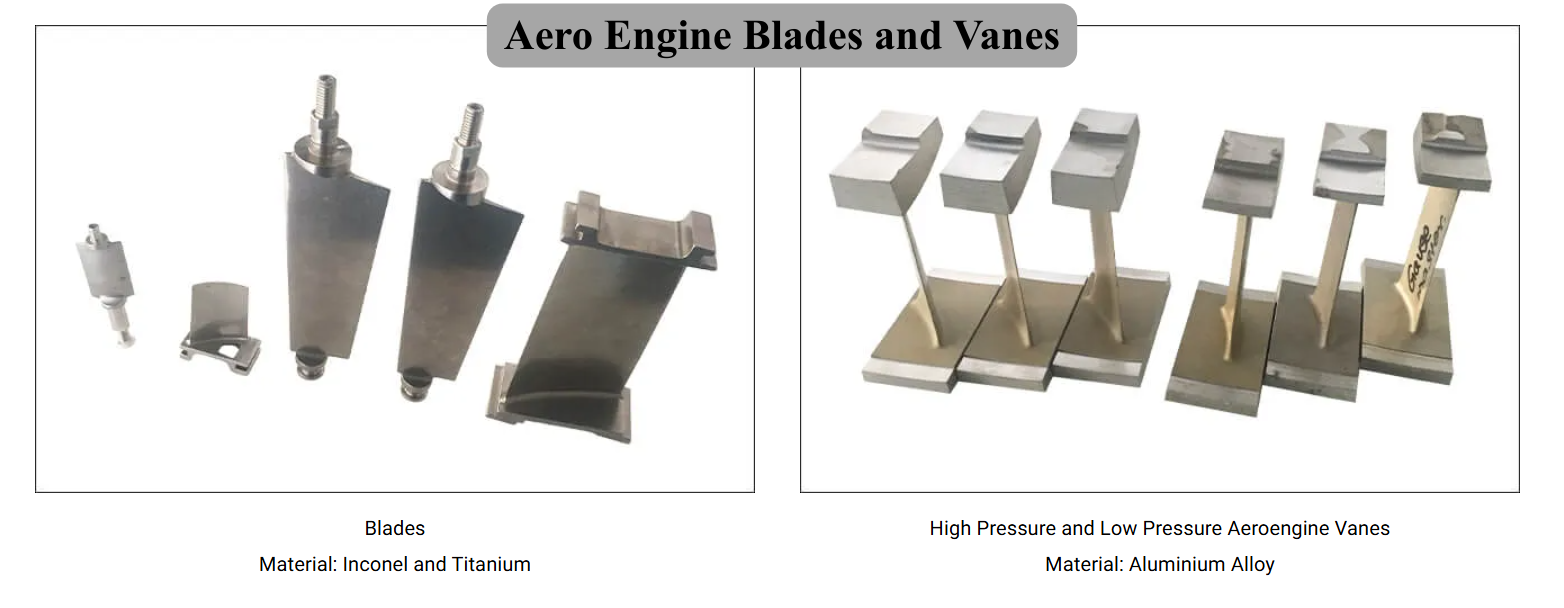 | Precision Components Manufacturer BVPL manufactures precision aero engine blades and vanes used in compressor and turbine stages of gas turbine engines. View product → |
Aero Engine Blade High Pressure Turbine and Intermediate Pressure Turbine Blades Material: Nimonic 115 High Pressure & Intermediate Pressure Turbine Blades Material: Nimonic 115 Nimonic 115 is a high-performance nickel-chromium-cobalt alloy engineered... |