
Aero engine component sourcing requires a different level of supplier evaluation from ordinary machined-part procurement. The combination of sophisticated geometries, specialized materials, quality systems, and strict engineering specifications means that supplier capability needs to be examined in detail.
When comparing aero engine parts manufacturers in Bengaluru, procurement and engineering teams should focus on evidence of relevant capability.
Look Beyond the Machine List
A modern CNC machine is valuable, but machine ownership alone does not establish aerospace manufacturing competence.
Complex components require interaction between:
Engineering interpretation
CAD/CAM programming
Tool and fixture planning
Material-specific machining
Process control
Inspection
Documentation
A manufacturer should demonstrate how these elements work together.
Consider Geometry Experience
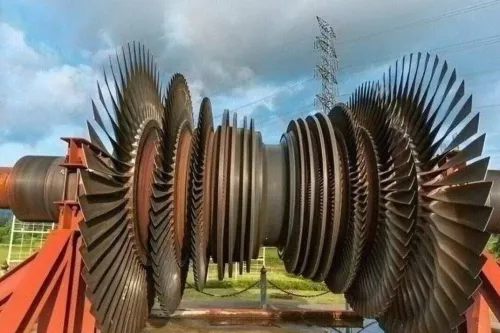
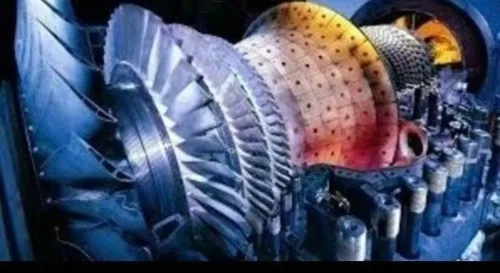
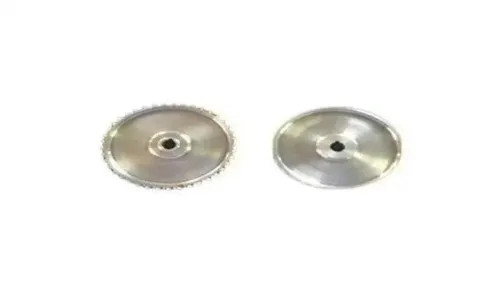
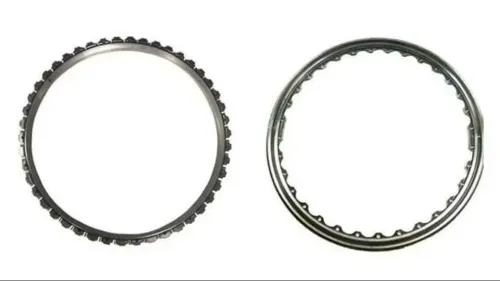
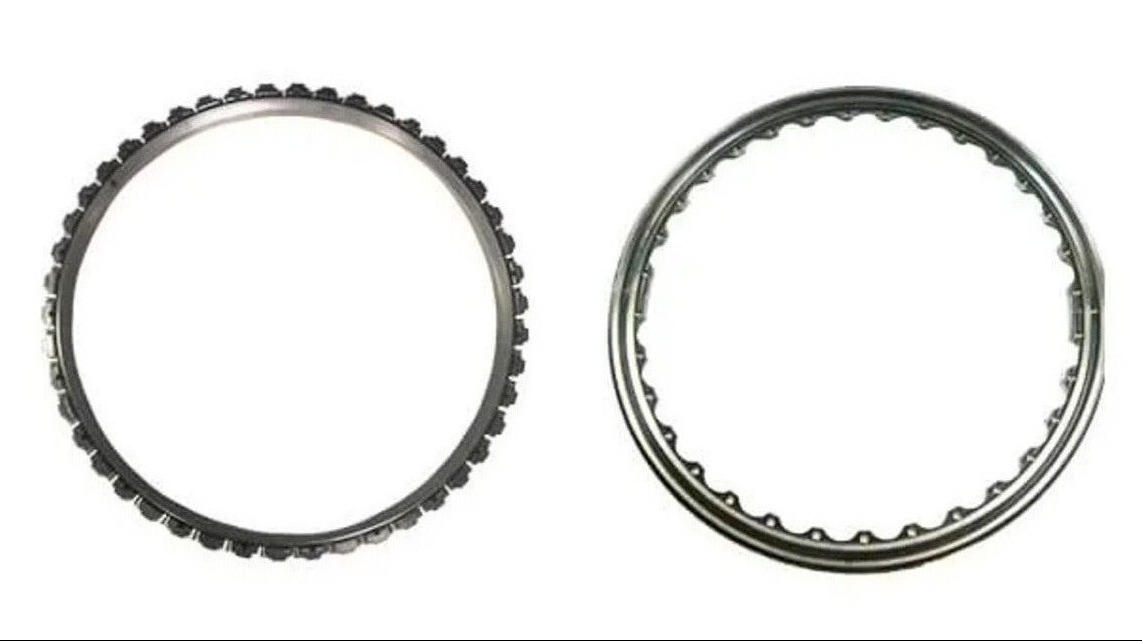
Blades, vanes, blisks, rings, and structural components present different manufacturing challenges.
Airfoil components in particular contain complex three-dimensional surfaces. Manufacturers need suitable programming capability and machining strategies to maintain the required profiles while controlling dimensional variation.
BVPL Turbine Parts lists aero engine blades, vanes, blisks, inner ring assemblies, and aerostructure components among its manufacturing experience. It also states that it uses multi-axis machining and works with complex 3D models.
Ask About Material Experience
A manufacturer experienced with aluminium is not automatically prepared to machine titanium or nickel-based superalloys.
Different materials affect cutting speeds, feeds, tooling, heat management, workholding, and finishing.
Relevant material experience is therefore one of the most useful screening criteria when comparing potential suppliers.
Verify the Quality Framework
Aerospace procurement typically places considerable emphasis on controlled processes and quality management.
BVPL states that it holds AS9100D aerospace certification and BS EN ISO 9001:2015 certification.
Buyers should still assess the requirements of their own project independently, including any customer-specific approvals, inspection plans, traceability requirements, special processes, and documentation.
Consider Development Capability
New product introduction may involve more interaction than repeat production. Technical discussions, manufacturability reviews, programming, fixtures, first-part inspection, and process stabilization may all be necessary before routine production.
Bengaluru's established aerospace and engineering environment can be useful for companies seeking suppliers with access to a broader supporting industrial network.
The most effective supplier evaluation begins with a detailed technical package. Share the component specification under appropriate confidentiality arrangements and ask potential manufacturers to explain their proposed manufacturing route.
Their response can reveal much more than a generic capability presentation. It shows whether they understand the component, identify critical manufacturing challenges, and have the processes needed to turn the engineering requirement into a controlled production solution.