
“Vane recovery” can describe cleaning and repairing a removed component, reproducing a discontinued part, restoring a damaged airfoil, or supplying a newly manufactured replacement. You will be able to identify the vane category, separate repairable damage from rejection conditions, and compare Bengaluru suppliers using traceable inspection and release evidence.
Key takeaways
- Match the vane to its engine, module, stage, drawing revision, and OEM part number.
- Choose high-pressure vane replacement when damage exceeds approved recovery limits.
- Reject parts with unverified material, distorted geometry, or incomplete inspection records.
- Request dimensional reports, material traceability, and documented repair limits from the supplier.
What aluminium aeroengine vane recovery actually includes
Recovery means returning a removed aluminium vane to an approved, documented service condition—not merely polishing a damaged airfoil. The supplier must identify the engine, module, stage, vane number, drawing revision, and OEM part number, because an inlet guide vane and a variable compressor stator vane do not share the same repair limits.
A complete scope covers incoming inspection, cleaning or stripping, corrosion and impact removal, controlled blending, permitted straightening, machining of platforms or shrouds, bush or bearing replacement, surface-treatment restoration, final inspection, and release. Blend depth, radius, area, and location must come from the applicable engine or component repair data.
Ask the supplier to distinguish recovery from reproduction of a discontinued part, remanufacture, and supply of a newly manufactured replacement. The record should include:
- Before-and-after dimensions against the approved drawing
- Aluminium alloy designation, temper, heat-treatment condition, and material certificate
- Liquid-penetrant and eddy-current results, with calibration and surface-preparation details
- Photographs of blended areas, coating records, repair-data references, and approved deviations
- A release statement identifying the item as repaired, overhauled, or newly manufactured
For a variable stator vane, inspect the complete actuation interface: bush wear, trunnions or journals, lever-arm position, angular travel, and vane-to-vane synchronisation. Liquid penetrant finds open-to-surface flaws; eddy current detects surface and near-surface discontinuities, but neither proves freedom from every internal defect.
That is the standard a supplier offering aluminium aeroengine vane recovery in Bengaluru should meet, whether it describes itself among aero engine parts manufacturers or not.
When you need high-pressure vane replacement instead of low-pressure recovery
A high-pressure turbine vane normally requires replacement, not aluminium recovery: temperatures exceed aluminium’s useful strength range, and the part is usually a nickel- or cobalt-based superalloy with cooling passages and a protective coating. For a high-pressure compressor vane, confirm the stage separately; pressure loading, vibration, and tighter airflow tolerances make an incorrect substitute unsafe.
Low-pressure compressor and fan vanes face different damage. Foreign-object impact, leading-edge erosion, corrosion, fretting, and attachment wear can leave the airfoil recoverable, provided its profile, chord, thickness, stagger, platform fit, and attachment condition remain within approved limits. Recovery is not merely a cheaper form of high pressure vane replacement.
Before choosing a low pressure vane recovery supplier, check these details:
- Identify the module and stage: inlet guide vane, fixed compressor stator, variable stator, fan vane, turbine nozzle guide vane, and exhaust vane have different acceptance criteria.
- Match the part number, vane position, material grade and temper, drawing revision, coating condition, and engine model. Correct external shape alone proves nothing.
- Inspect platform, shroud, bush, bearing, trunnion, and journal geometry when loads enter through the attachment rather than the airfoil.
- For a variable stator, verify lever-arm position, angular travel, bush wear, and vane-to-vane synchronisation. A good-looking airfoil can still jam or lose compressor control.
Choose high pressure vane replacement when damage exceeds blend limits, heat has altered material condition, cooling features are affected, or actuation geometry cannot be restored with approved repair data. Request batch or serial traceability and the exact replacement or repair authority before release.
How damage limits decide repair, remanufacture, or rejection
An airfoil that looks clean can still be unserviceable if its trunnion, journal, bush bore, lever arm, or angular travel is damaged. Classify the vane against the engine-specific repair data, including limits for remaining wall thickness, blend depth, blend radius, affected area, and location.
| Condition | Decision | Physical limit or failure |
|---|---|---|
| Minor nicks, burrs, oxidation, or shallow corrosion | Recover by repair | Damage remains within the approved blend, thickness, radius, and area limits; restore surface treatment afterward. |
| Worn bushes, bearings, platform edges, or permitted distortion | Remanufacture | Replace bushes or bearings, machine platforms or shrouds, or straighten the part under an approved process, then restore all drawing dimensions. |
| Deep pitting, crack indications, through-wall damage, or excessive material loss | Reject | Corrosion or blending leaves insufficient thickness, or liquid-penetrant or eddy-current inspection finds a crack outside an approved repair method. |
| Actuation-interface failure | Reject or remanufacture | Trunnion or journal damage, incorrect lever-arm position, restricted angular travel, or failed vane-to-vane synchronisation prevents the required movement. |
Remanufacture is not cosmetic blending. It involves rebuilding the affected geometry or interface and proving the final dimensions, fit, and movement against the approved drawing or repair scheme.
Reject a vane when damage lies in a prohibited zone, exceeds blend limits, or cannot be removed without changing the airfoil profile, platform geometry, material condition, or minimum thickness. Surface inspection cannot clear every internal defect, so unresolved indications require the specified additional examination or rejection.
How to verify aluminium vane geometry, material, and inspection results
Verify the vane against approved repair data, not a reverse-engineered sample. The work order must identify the engine, stage, vane number, part number, drawing revision, alloy, temper, and permitted material-removal limits.
Use a validated airfoil model or profile sections to inspect leading-edge radius, trailing-edge thickness, chord, twist, platform location, shroud features, and attachment datums. A CMM, calibrated optical scanner, templates, or equivalent equipment must tie every critical measurement to the same datum scheme. Record before-and-after dimensions and the equipment calibration status.
Request these controlled records:
- Material certificate naming the aluminium alloy, temper, heat-treatment condition, lot, and traceability number
- Corrosion-removal and blend records showing location, depth, radius, area, and repair-data reference
- NDT reports linked to the vane serial number, operator qualification, procedure revision, and acceptance criteria
- Coating or conversion-treatment records, including bath or process identification and final inspection
- Nonconformance reports, approved deviations, photographs of blended areas, and final release statement
| Test | Evidence | What it detects |
|---|---|---|
| Visual and dimensional | CMM or scan report with datums | Incorrect profile, thickness, or attachment geometry |
| Dye penetrant | Indication map and acceptance result | Open surface cracks and laps |
| Eddy current | Calibrated instrument record | Surface or near-surface cracking in conductive aluminium |
| Ultrasonic or radiography | Procedure and image or scan record | Internal discontinuities where the approved method applies |
| Conductivity or hardness | Measured value against specification | Wrong alloy, temper, or heat-treatment condition |
A CNC machining record alone proves process capability, not airworthiness. Accept the vane only through the applicable approved production or repair system, with calibrated inspection, traceability, nonconformance control, and authorised release documentation.
What to request from an aluminium aeroengine vane manufacturer in Bengaluru
Ask for evidence before you compare prices. An aluminium aeroengine vane manufacturer in Bengaluru should identify exactly what it can recover, under which approved system, and what document will accompany the released part.
1. State the engine model, module, stage, vane position, OEM part number, drawing revision, and serial or batch requirement in the RFQ. Ask the supplier to confirm whether it supports an inlet guide vane, compressor stator vane, variable stator vane, turbine nozzle guide vane, or exhaust vane. “Vane” alone is not a capability statement.
2. Request the supplier’s approval scope, approval number, capability list, and repair-data references. Separate an approved repair process from CNC machining, reverse engineering, or a sample made from a supplied part; none of those proves flight-hardware acceptance.
3. Require an inspection pack containing before-and-after dimensions, photographs of blended areas, liquid-penetrant or eddy-current results where applicable, material certificate, alloy temper and heat-treatment condition, coating or stripping records, equipment calibration status, and nonconformance disposition.
4. Ask how the supplier preserves traceability from incoming vane through cleaning, repair, machining, inspection, and final release. The records should link the part, operator, batch, process route, inspection equipment, and deviation approval.
5. Confirm whether the deliverable is released as repaired, overhauled, or newly manufactured, and request a sample authorized release certificate. BVPL Turbine Parts is worth assessing by these same documents, not by catalogue wording about blades and vanes.
Reject an offer that cannot identify the applicable repair data or explain who signs the final release.
Related items
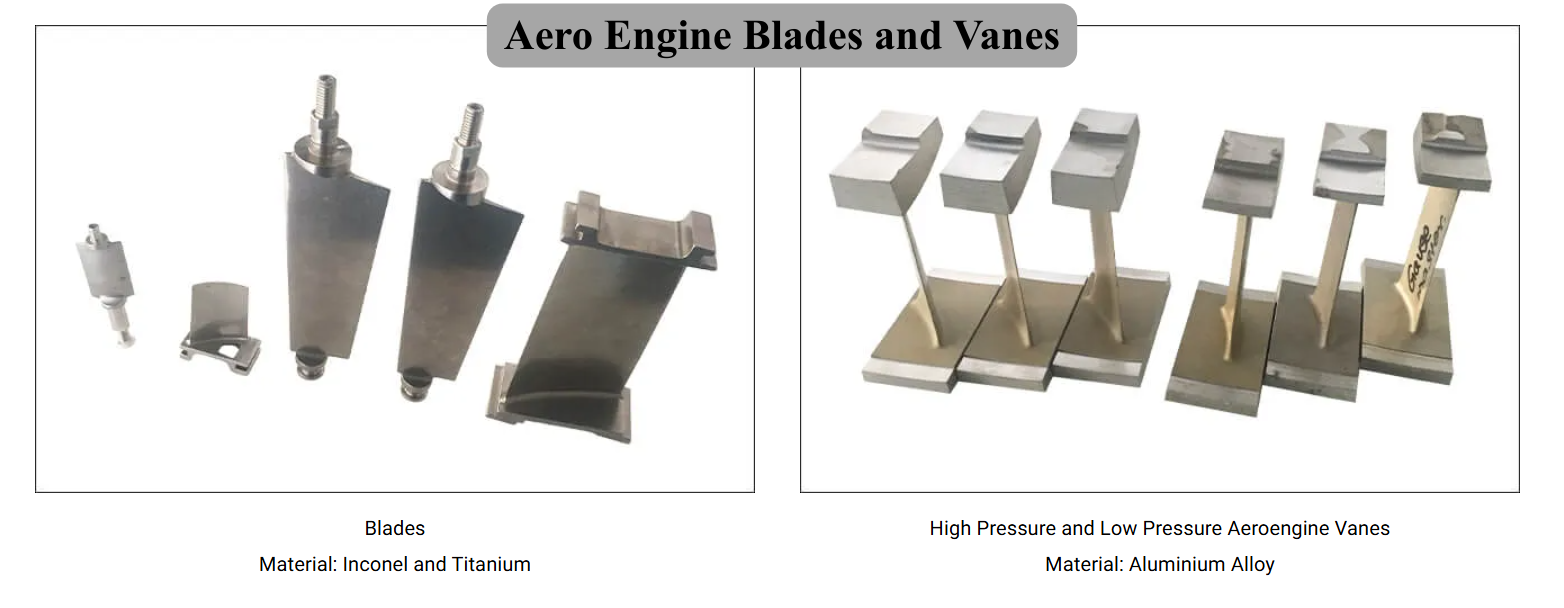 | Precision Components Manufacturer BVPL manufactures precision aero engine blades and vanes used in compressor and turbine stages of gas turbine engines. View product → |
Aero Engine Blades and Vanes High Pressure and Low Pressure Aeroengine Vanes Material: Aluminium Alloy High Pressure and Low Pressure Aeroengine Vanes Material: Aluminium Alloy |
Frequently asked questions
What does aluminium aeroengine vane recovery include?
It includes identifying the engine, module, stage, vane number, drawing revision, and OEM part number; assessing damage; restoring approved geometry; and documenting inspection results.
When do you need high-pressure vane replacement instead of low-pressure vane recovery?
Choose high-pressure vane replacement when damage exceeds the approved recovery limits for the part, such as unacceptable distortion, material loss, cracks, or damage in a critical location.
How do damage limits decide repair, remanufacture, or rejection?
Repair suits damage within the approved limits. Remanufacture applies when controlled restoration can return the vane to its required geometry and condition. Reject the vane when damage cannot be removed or restored without violating those limits.
How can you verify an aluminium vane supplier's results?
Request the drawing revision, material traceability, dimensional inspection report, inspection method, acceptance limits, and clear identification linking each result to the vane.
What should you request from an aluminium aeroengine vane manufacturer in Bengaluru?
Request documented capability for the specific vane, material records, process and inspection details, repair or replacement limits, dimensional results, and part-level traceability.
Related product
 | Precision Components Manufacturer BVPL manufactures precision aero engine blades used in compressor and turbine stages of gas turbine engines. View product → |