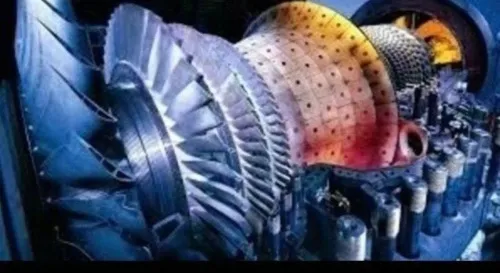

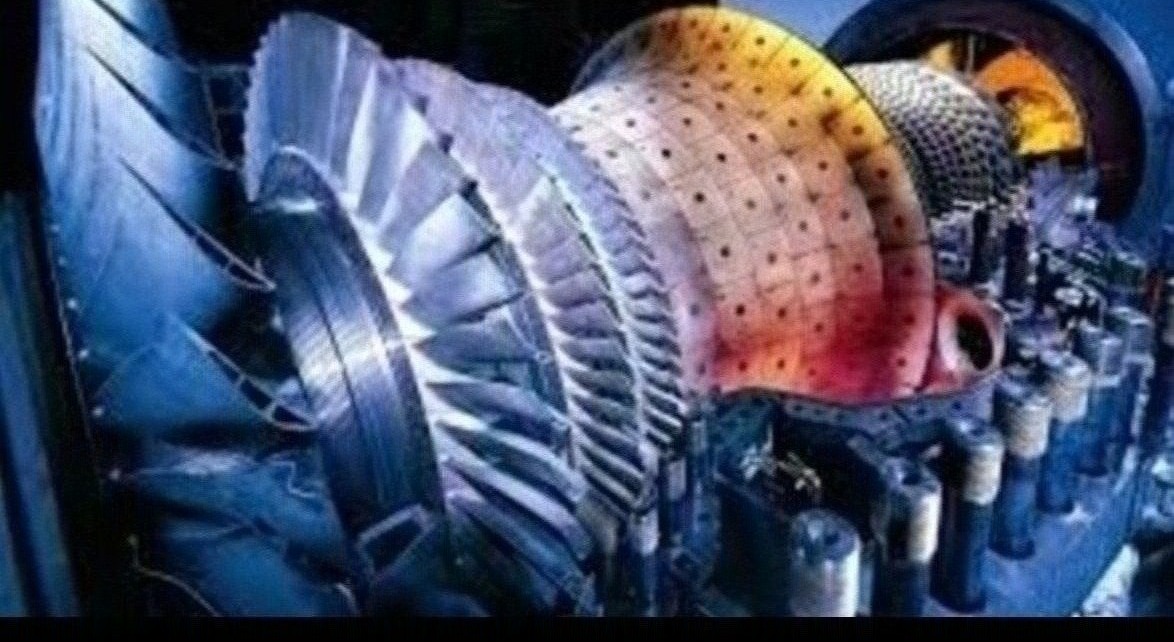
Gas turbines operate under demanding combinations of temperature, pressure, rotational speed and continuous mechanical loading. This makes the quality of individual components important not only during initial assembly but throughout the operating life of the turbine. For engineering and maintenance teams evaluating gas turbine parts manufacturers in Germany, understanding how precision components are produced can make technical sourcing decisions more informed.
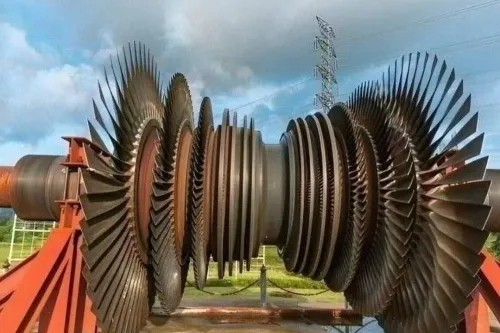
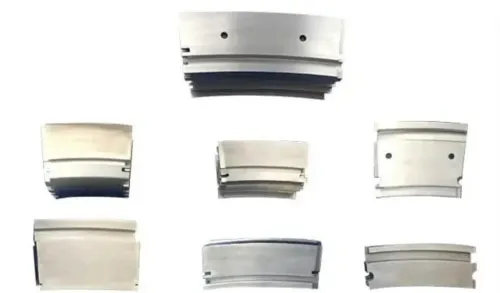
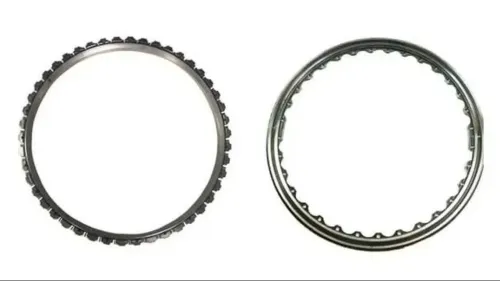
Gas turbine components include blades, vanes, shrouds, diaphragms, nozzles and other precision-machined parts. Each performs a different function, but dimensional accuracy, material suitability and manufacturing consistency are common requirements.
Why Component Accuracy Matters
Turbine components work as part of an interconnected system. Small dimensional deviations can influence clearances, gas flow, alignment and component interaction.
Manufacturing therefore requires careful control of:
- Component geometry and tolerances
- Surface finish
- Material specifications
- Machining processes
- Inspection procedures
- Documentation and traceability
Complex components may also require multi-axis CNC machining because conventional machining methods cannot efficiently reproduce intricate aerodynamic profiles.
Material Selection Is Equally Important
Gas turbine environments require materials capable of maintaining their properties under challenging operating conditions. Depending on the application, components may use stainless steels, nickel-based superalloys and other heat-resistant materials.
BVPL Turbine Parts manufactures gas turbine components including shrouds, blades and diaphragms and has experience machining Inconel, Nimonic, titanium alloys, stainless steel and other heat-resistant alloys. The company is also AS9100D and BS EN ISO 9001:2015 certified.
What German Buyers Should Evaluate
Germany has a substantial industrial and energy engineering ecosystem, so turbine component procurement often involves detailed technical evaluation. Rather than judging a manufacturer only by price, buyers should examine whether the supplier can understand drawings, material requirements, tolerances and inspection expectations.
The ability to support low-volume, complex or replacement-component requirements can be particularly important for maintenance and aftermarket applications.
For procurement teams in Munich and elsewhere in Germany, the key question is not simply whether a manufacturer can machine a component. The more useful question is whether the supplier has the engineering capability, process control and inspection discipline required to reproduce precision turbine components consistently.