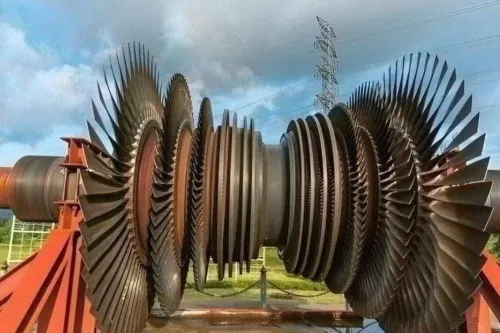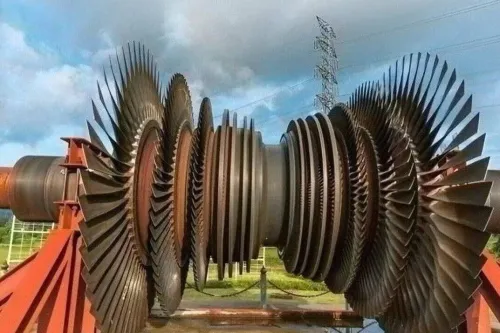

An aftermarket blade is worth choosing only when its approval status, remaining life, configuration, inspection evidence, and installed cost fit your engine and operating plan. By comparing those points against OEM, repaired, overhauled, used, and surplus alternatives, you can identify when a lower purchase price represents genuine value and when it creates added shop work or airworthiness risk.
Key takeaways
- Compare total accepted-cycle cost, not replacement blade price alone.
- Confirm FAA PMA, STC, or approved repair status before ordering.
- Match the blade by engine model, part number, revision, and configuration.
- Budget for inspection, coating, balancing, and installation after delivery.
When does an aftermarket blade deliver better value than an OEM or used part?
The lowest replacement aero engine blade cost is not automatically the lowest cost per accepted service cycle. Compare the complete outcome: incoming inspection, transport, release-document review, repair or coating work, balance correction, installation labor, downtime, warranty coverage, rejected-piece risk, and verified cycles remaining.
| Option | Best economic case | Main risk |
|---|---|---|
| New OEM blade | Maximum traceability, life, and dispatch confidence | Price and OEM lead time |
| Repaired blade | Damage fits the approved repair envelope and the engine has substantial time remaining | Repeated blending, tip repair, coating restoration, or platform repair may exhaust limits |
| Overhauled blade | Shop findings support documented restoration at a lower price than new | Remaining life and repair history can vary |
| Serviceable used blade | Mature platform, short remaining mission, and complete serial history | Creep, oxidation, fatigue, coating loss, or cooling blockage can shorten life |
| Approved surplus | Correct configuration with acceptable records and immediate availability | Storage history, warranty limits, or uncertain remaining cycles |
Choose aftermarket aero engine blades when approved applicability and usable life outweigh processing and rejection risks. This case is strongest on mature, high-utilization platforms facing OEM lead times, minimum order quantities, or high list prices.
Repair is preferable when inspection finds damage inside the approved repair scheme. Replace the blade when repeated repairs have consumed allowable limits, or when the aircraft’s mission and dispatch requirement demand predictable life.
For any life-limited part, request serial identity, installation history, accumulated cycles and hours, approved life limit, and life-extension status. Judge the after market aero engine parts manufacturers blade for replacement value by cost per accepted cycle, not by quotation alone. On a newer or low-volume variant, validation costs can erase the apparent saving.
What approval and part category must you confirm before buying?
An OEM part-number or drawing-dimension match does not make a blade eligible for installation. Confirm the category and approval basis before comparing price: an aftermarket replacement blade is a newly manufactured article only when its production authorization covers the specified engine and installation.
| Category | What it means | What to verify |
|---|---|---|
| Aftermarket replacement | New blade made under PMA or another approved design or production authorization | Exact engine, stage, effectivity, and release route |
| Overhauled or repaired | Existing blade restored under approved overhaul or repair data | Previous life, repair limits, inspection records, and remaining cycles |
| Serviceable used | Previously installed blade accepted for further service | Serial traceability, accumulated hours and cycles, and current status |
| Approved surplus | Unused or excess stock with authorized records | Storage history, configuration, shelf limits, and eligibility |
| New alternate-design part | Newly made blade approved under a design or production authorization different from the OEM’s | Approval scope and installation data |
For an FAA-regulated aircraft, tell the aero engine blade supplier whether you need FAA Parts Manufacturer Approval for that article and engine, an approved repair or alteration, Supplemental Type Certificate data where relevant, or another approved production authorization. FAA PMA is not blanket approval for every engine model the supplier makes.
Check the equivalent approval under EASA, UK CAA, military, or another civil system, including whether a bilateral agreement recognizes the release route. FAA Form 8130-3 or EASA Form 1 supports authorized release; neither proves eligibility for every aircraft. Confirm effectivity, configuration, airworthiness limitations, registry rules, and the receiving maintenance organization’s acceptance.
AS9100 and ISO 9001 certify quality systems, not product approval.
How do you verify that a replacement blade actually fits?
Do not discuss price until an aero engine blade supplier confirms the complete configuration. A quotation showing only an OEM part number does not prove fit, eligibility, or usable life for aftermarket aero engine blades.
- Provide the engine model and variant, module, stage, blade part number, dash number, and approved effectivity. Confirm that the quoted article is listed for that exact configuration.
- Match serial or batch traceability, left- or right-hand orientation, airfoil profile, platform configuration, root attachment, cooling-hole pattern, surface finish, shot-peening condition, coating specification, material grade, heat treatment, and balance requirements against approved technical data.
- Reject gross-geometry comparisons as proof of interchangeability. Small differences in root dimensions, platform geometry, coating thickness, cooling passages, or airfoil profile can change vibration, creep, oxidation, fatigue life, cooling-air flow, and fuel performance.
- Request the certificate of conformity, material certificate, heat-treatment record, dimensional inspection report, non-destructive inspection results, coating records, and manufacturing or repair traceability. Check that each record identifies the quoted part or batch.
- For a life-limited or cycle-limited blade, require serial identity, manufacturing and installation history, accumulated cycles and hours, approved life limit, and any life-extension or inspection status. Do not accept “serviceable” without those figures.
The supplier’s conformity package must support the approved configuration, not merely repeat a drawing number. If serial history, remaining life, or technical effectivity is missing, you cannot calculate cost per accepted service cycle or safely release the blade for installation.
What inspection and engine-shop work is still needed after delivery?
A delivered blade is not automatically ready for one-for-one installation. The receiving shop should begin with visual inspection for foreign-object damage, cracks, oxidation, coating loss, and corrosion, followed by dimensional checks, airfoil-profile comparison, and root and platform inspection.
Acceptance then moves to hardness or material verification, fluorescent penetrant inspection, and eddy-current inspection. Use radiographic or computed-tomography inspection when the approved manufacturing, overhaul, or repair data requires it. Do not substitute a generic checklist: that approved data defines both the inspection method and the pass/fail criteria.
The shop may also identify work that changes the replacement aero engine blade cost:
- Rotor balancing or matched blade sets when mass, moment, or airfoil variation affects rotor balance.
- Blending, coating removal and reapplication, or cooling-hole restoration when damage or processing falls within the approved repair envelope.
- Vibration analysis or additional engineering review when the blade passes individual dimensions but set-level matching, rotor correction, stress, or cooling performance remains unresolved.
| Finding or requirement | Possible shop action | Cost or schedule consequence |
|---|---|---|
| Individual dimensions pass, but set variation is high | Match blades or correct the rotor | Extra balancing work and installation delay |
| Coating loss, blocked cooling holes, or permitted damage | Restore coating, blend, or repair holes | Rework, repeat inspection, and possible rejection |
| Material, life, or defect evidence is incomplete | Engineering review or rejection | Compatibility cost and dispatch risk |
Before ordering aftermarket aero engine blades, obtain written confirmation of which inspections are included, which the receiving shop performs, and which discrepancies trigger rejection or rework. That prevents a low quoted price from becoming an unplanned compatibility bill.
How should you compare an aftermarket supplier before placing the order?
Compare quotations by total installed cost per accepted service cycle, not unit price. That answers the “after market aero engine parts manufacturers blade for replacement value” question: a cheap blade with uncertain life, rejected-piece risk, or extra shop work can cost more than a higher-priced approved replacement.
Ask every aero engine blade supplier for:
- Exact approval number and approval basis
- Covered engine model, variant, module, and stage
- Material, heat-treatment, coating, and process controls
- Inspection plan and acceptance criteria
- Serial, batch, manufacturing, and installation traceability
- Release-document route, such as FAA Form 8130-3 or EASA Form 1
- Warranty exclusions, lead time, and quoted cycles or hours remaining
Aircraft and industrial quotations are not interchangeable.
| Application | Governing decision | Main check |
|---|---|---|
| Aircraft aero-engine | Airworthiness approval and approved installation | Engine effectivity, jurisdiction, release route |
| Industrial gas turbine | Owner specification, insurer, jurisdiction, and operating regime | Equipment model, duty cycle, and acceptance procedure |
Gas turbine blade manufacturers may use similar alloys and processes, but that does not establish aircraft eligibility. Score purchase price, incoming inspection, freight, document review, balance or matched-set work, coating or repair, installation labor, downtime, rejected-piece rate, warranty coverage, and expected cycles remaining.
A precision manufacturer such as BVPL Turbine Parts belongs in the comparison only after it identifies the approval and applicability for your engine and jurisdiction. Review its records and acceptance support. Aftermarket is worth choosing when evidence, approval, remaining life, and shop compatibility support the economics.
Related products
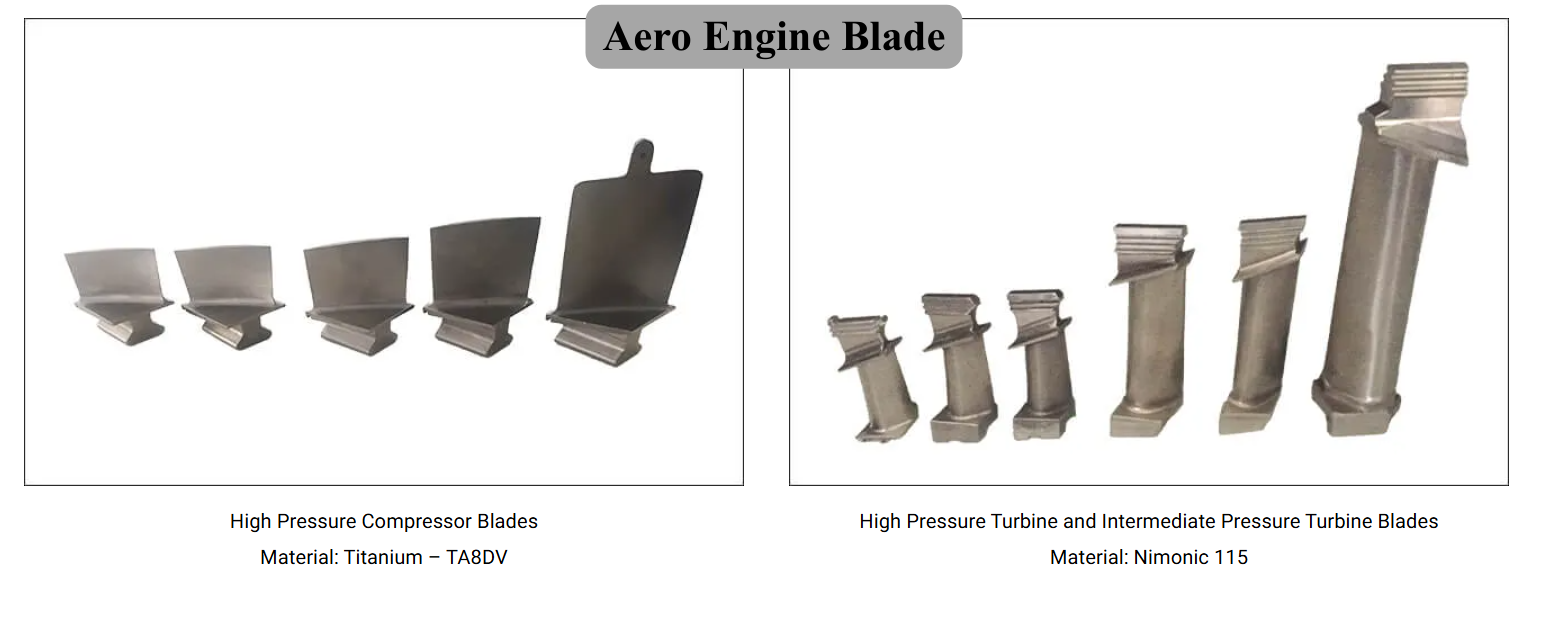 | Precision Components Manufacturer Aero Engine Blade View product → |
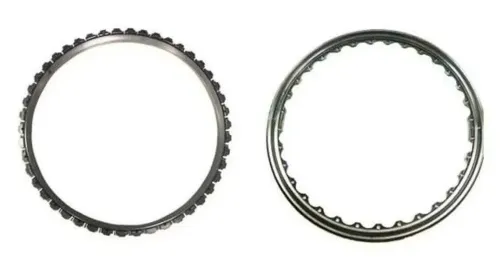
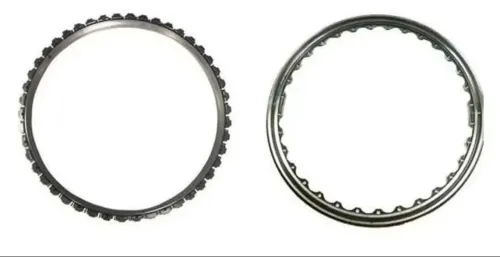
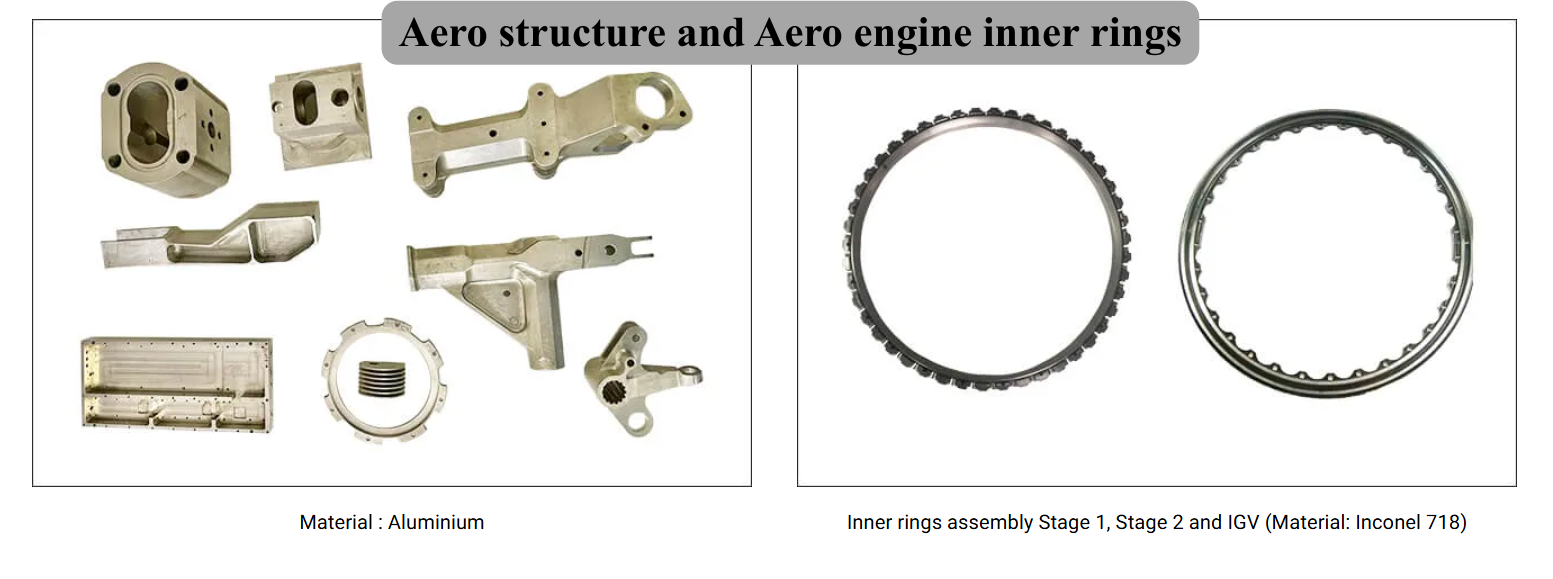 | Precision Components Manufacturer Aero structure and Aero engine inner rings BVPL Turbine Parts manufactures precision aero-structure components and aero engine inner rings used in critical aircraft and gas turbine assemblies. View product → |
Frequently asked questions
When does an aftermarket blade deliver better value than an OEM or used part?
Choose an aftermarket blade when its total accepted-cycle cost is lower after inspection, transport, documentation review, repair, coating, balancing, installation, downtime, warranty, rejection risk, and remaining verified cycles.
What approval and part category must you confirm before buying?
Confirm whether the blade is FAA-PMA approved, covered by an STC, produced under an approved repair process, or sold only as a non-approved replacement. Match that status to the engine’s maintenance and operational requirements.
How do you verify that a replacement blade actually fits?
Match the engine model, blade part number, dash or revision level, configuration, material, airfoil geometry, platform, root attachment, cooling-hole pattern, and service bulletin status against the current maintenance data.
What inspection and engine-shop work is still needed after delivery?
Plan incoming dimensional and visual inspection, material and coating-document review, traceability checks, weight and balance verification, blending or repair if permitted, rotor balancing, and installation inspection.
How should you compare an aftermarket supplier before placing the order?
Review approval evidence, traceability records, inspection reports, available cycle history, warranty terms, nonconformance handling, lead time, replacement policy, and experience with your exact engine and blade part number.
Related items
Reverse Engineered Aero Engine Blades and Blisks Reverse Engineered Blades by BVPL Material : Aluminium, Stainless Steel and Titanium Reverse Engineered Blades by BVPL Material : Aluminium, Stainless Steel and Titanium |
Reverse Engineered Aero Engine Blades and Blisks Blisks for Aero Engines Material : Stainless Steel Blisks for Aero Engines Material : Stainless Steel |
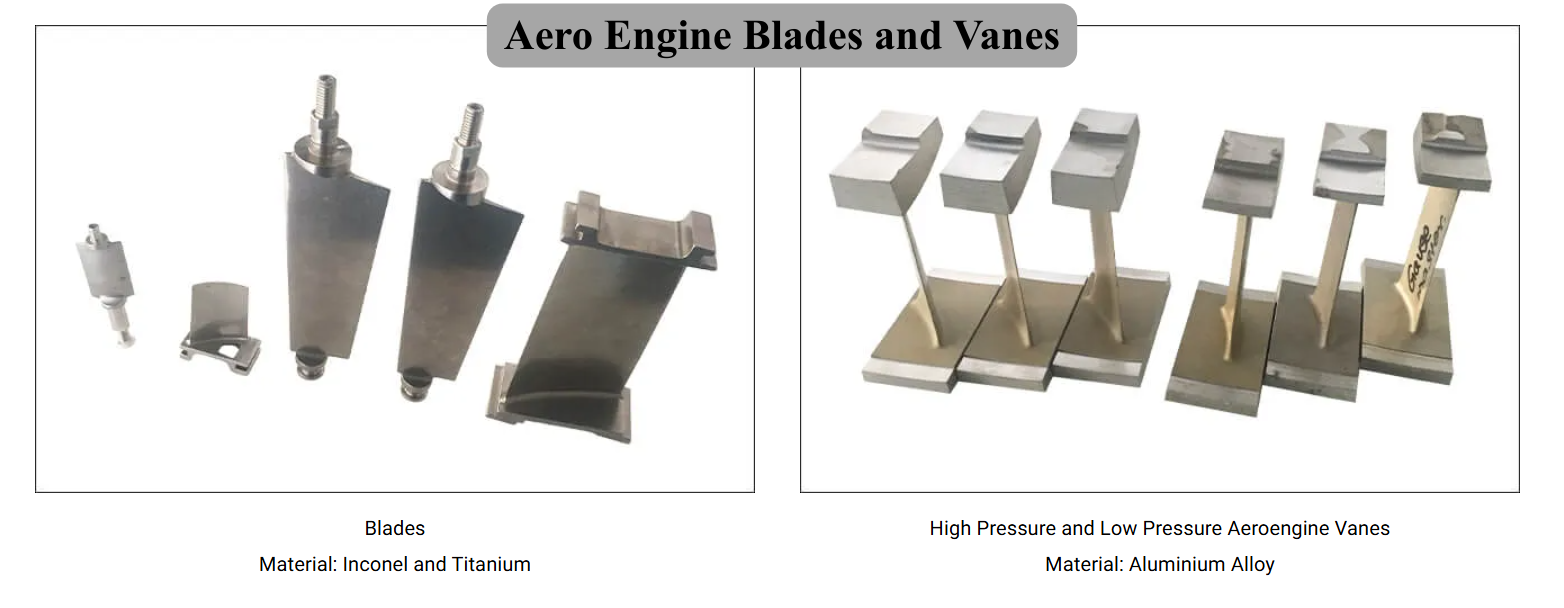 | Precision Components Manufacturer BVPL manufactures precision aero engine blades and vanes used in compressor and turbine stages of gas turbine engines. View product → |
Aero Engine Blades and Vanes Blades Material: Inconel and Titanium Blades Material: Inconel and Titanium |