
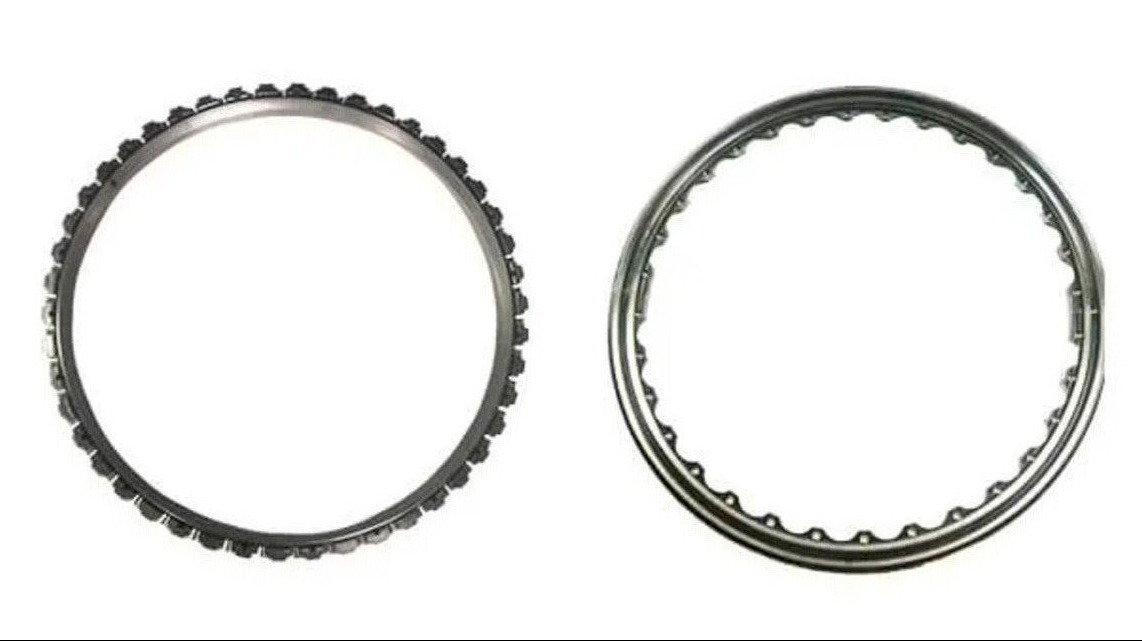
Aero engine components operate in an environment where dimensional accuracy, material performance and manufacturing consistency are fundamental requirements. This is why selecting or understanding aero engine parts manufacturers requires considerably more technical evaluation than sourcing ordinary machined components.
Singapore has a well-established aerospace and aviation ecosystem, creating demand for specialised manufacturing, maintenance and engineering capabilities. Within this environment, component production must be approached with careful control at every stage.
Why Are Aero Engine Parts Technically Challenging?
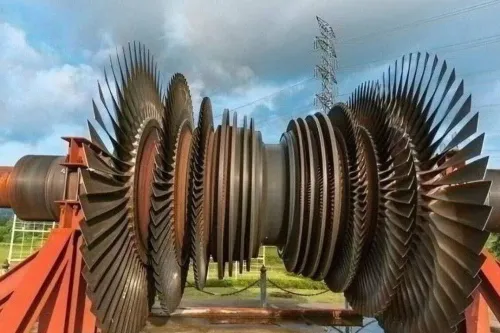
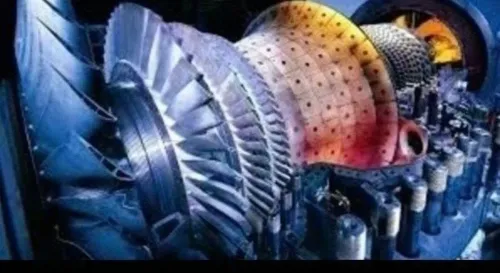
An aero engine contains components exposed to different combinations of heat, pressure, vibration, rotational loading and airflow.
The exact manufacturing challenge depends on the component and its position within the engine. Complex profiles, thin sections, demanding surface requirements and difficult-to-machine materials can all increase production complexity.
A manufacturer may need to coordinate several stages, including:
- Review of technical specifications
- Material selection or verification
- Process planning
- Precision manufacturing
- Dimensional inspection
- Documentation and traceability
The important point is that quality cannot simply be inspected into the finished component. It needs to be controlled throughout the manufacturing process.
Material Behaviour Influences Manufacturing
Materials used for demanding engine applications are selected according to operating requirements. Some materials that provide useful high-temperature or mechanical properties can also be challenging to machine and finish.
Tool selection, machining parameters, process stability and inspection therefore become important considerations.
Complex Geometry Requires Controlled Processes
Aero engine components can incorporate intricate surfaces and profiles. Maintaining the intended geometry across multiple components requires repeatable manufacturing processes rather than reliance on final inspection alone.
This is especially relevant when buyers need replacement or aftermarket components manufactured according to defined technical requirements.
What Should Procurement Teams Understand?
Before discussing production with a manufacturer, procurement and engineering teams should organise the available technical information. This may include drawings, material specifications, dimensional requirements, quantities and relevant inspection expectations.
Incomplete information can create unnecessary delays during technical evaluation.
BVPL Turbine Parts works within the specialised turbine and aero engine component field. For customers in Singapore, early technical communication can help determine whether component requirements align with available manufacturing capabilities.
Ultimately, aero engine component manufacturing is a combination of engineering interpretation, material knowledge, precision production and quality control. Understanding these elements helps buyers evaluate manufacturing capability more meaningfully and prepares technical teams for more productive supplier discussions.