
Choosing an aerospace component supplier requires deeper evaluation than reviewing a product catalogue. Aero engine components can involve complex geometry, difficult materials and demanding quality requirements, making manufacturing capability a central part of supplier selection.
For UK organisations considering aftermarket aero engine parts manufacturers, a structured technical assessment can help identify whether a prospective supplier is genuinely equipped for the programme.
Start With Relevant Component Experience
A supplier may have excellent general machining capabilities without having sufficient experience in aero engine components.
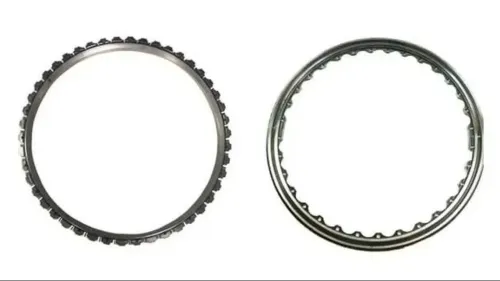
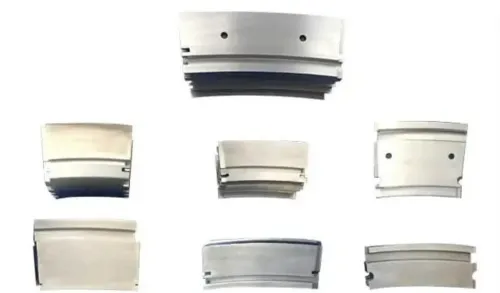
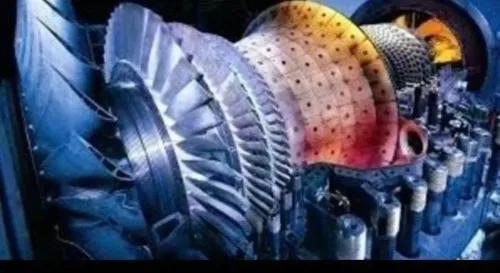
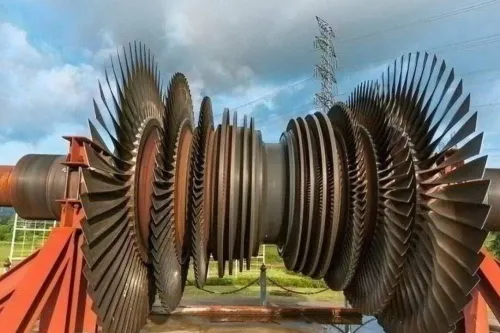
Ask what types of aerospace parts the company has manufactured. Relevant examples could include compressor blades, turbine blades, vanes, blisks, inner rings and structural components.
BVPL Turbine Parts lists aero engine blades, vanes, blisks, inner-ring assemblies and aerostructures within its manufacturing portfolio. It also reports experience with high-pressure compressor and turbine blade applications.
Review Material Experience
Material capability deserves close attention.
Aerospace component manufacturers may need to work with titanium, nickel-based superalloys, stainless steels, aluminium alloys and other specialised materials. These materials have different machining characteristics and can require carefully developed processes.
BVPL reports experience machining titanium alloys, Nimonic, Inconel, stainless steel, heat-resistant alloys and aluminium alloys.
Examine Quality Credentials
Quality management is particularly important in aerospace manufacturing.
Ask prospective manufacturers about relevant certifications, inspection methodology, documentation and traceability arrangements applicable to the proposed programme.
BVPL states that it is AS9100D and BS EN ISO 9001:2015 certified.
Certification alone should not replace technical evaluation, but it can form one part of a broader supplier qualification process.
Assess Engineering Support
Not every project arrives with a complete modern manufacturing package. Older components can present challenges when drawings, models or specifications are incomplete.
A manufacturer with reverse-engineering and CAD capabilities may be able to assess such requirements more effectively. BVPL includes reverse engineering and CAD drawings and models among its listed services.
UK aerospace procurement teams should ultimately assess suppliers against the specific requirements of the component rather than relying on broad manufacturing claims.
A useful qualification process considers component experience, materials, machining capability, quality systems, engineering support, inspection arrangements and communication responsiveness. These factors provide a much stronger basis for evaluation than comparing quotations alone.